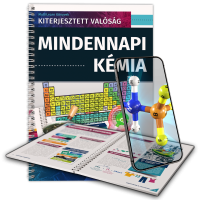
Książka z rozszerzoną rzeczywistością (AR) 3D w języku angielskim
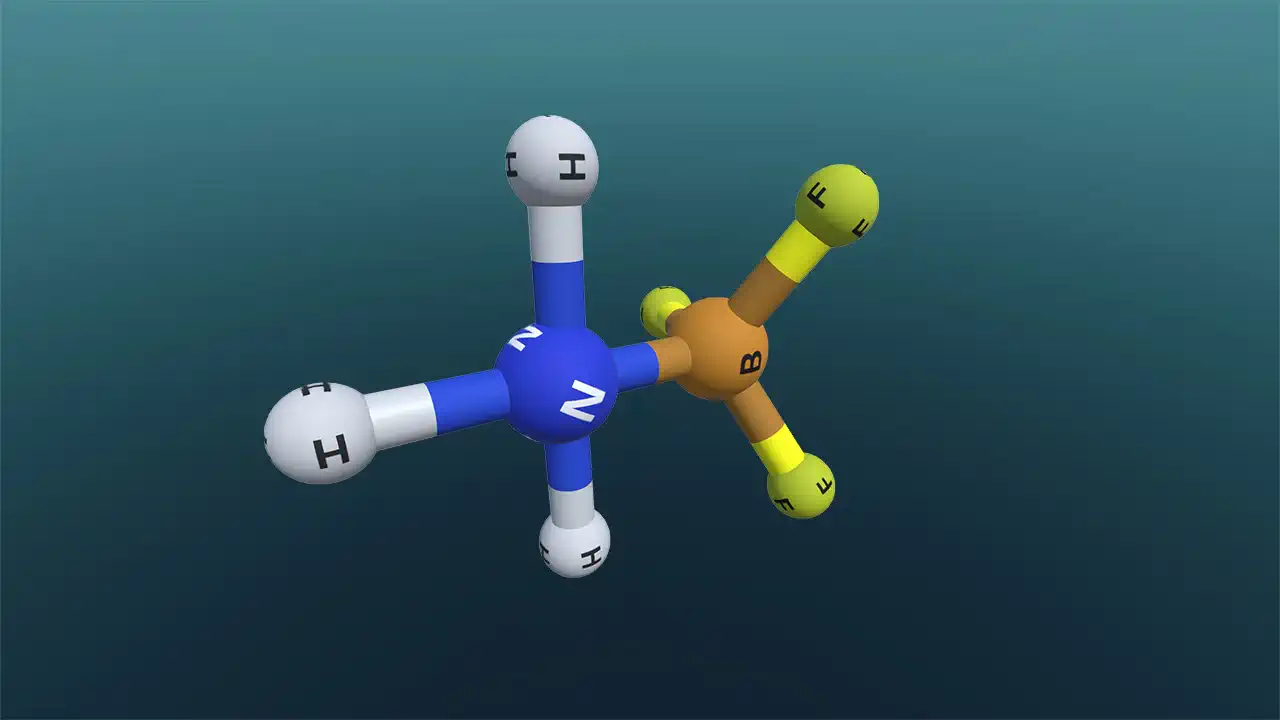
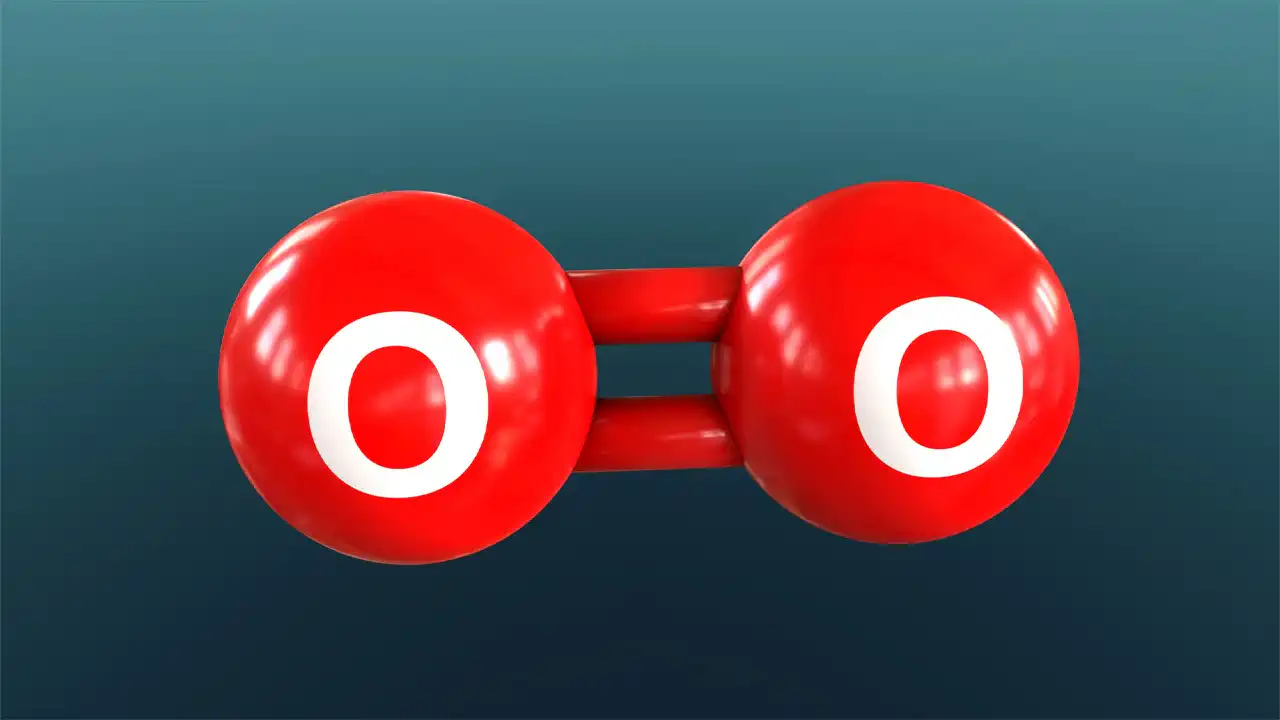
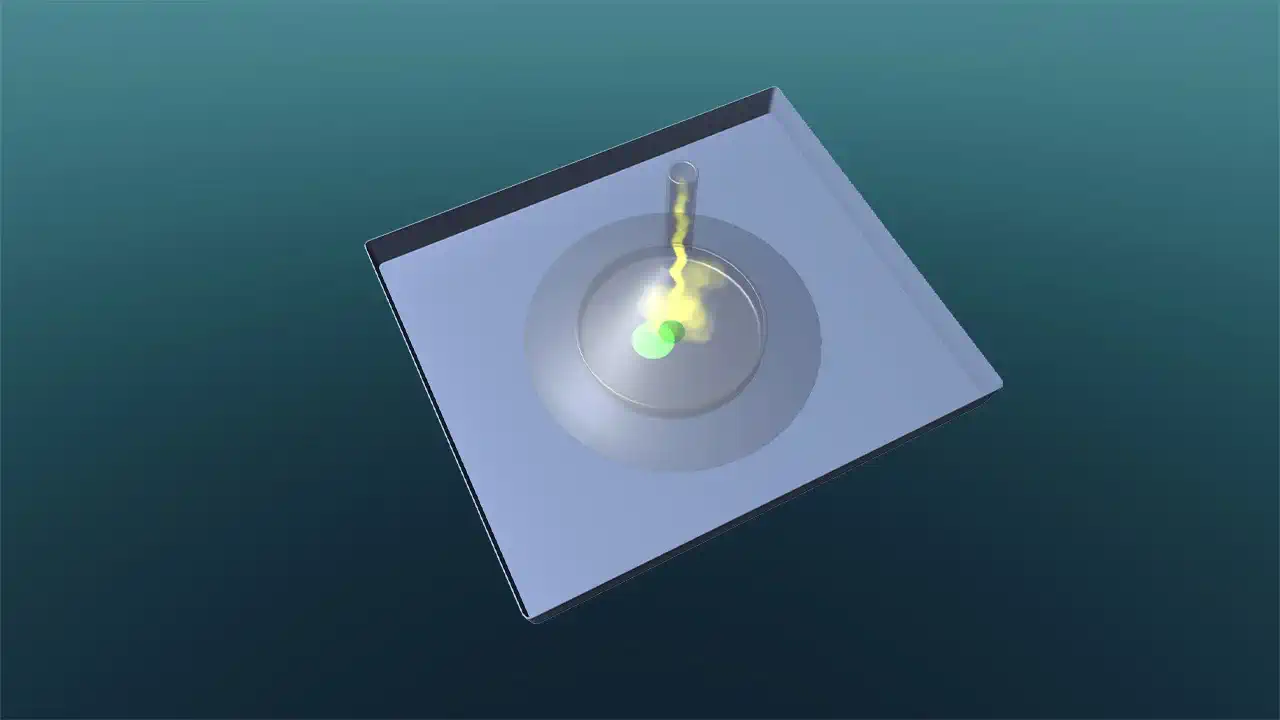
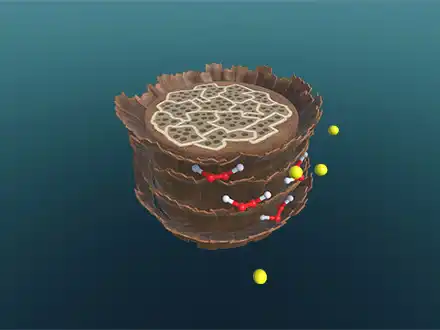
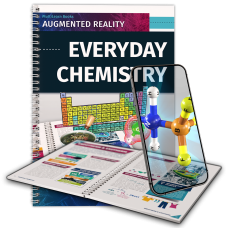
W naszej książce za pomocą opisów, ilustracji oraz filmów w trójwymiarze objaśniamy po angielsku zjawiska i procesy chemiczne, z którymi spotykamiy się na co dzień.

Wykorzystując technologię rozszerzonej rzeczywistości w praktyczny sposób prezentujemy tajemnice chemii w 40 rozdziałach. Obejrzyj widowiskowe eksperymenty i naucz się fachowego słownictwa chemicznego z pomocą naszej książki.

Film promocyjny, treść

TREŚĆ
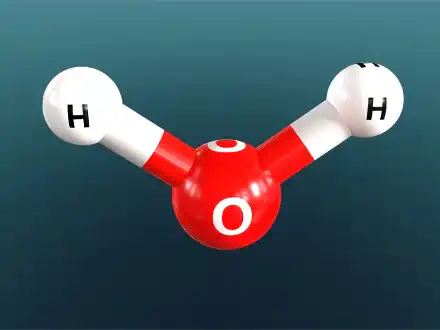
Amazing Chemistry
7 1 1
1. Amazing Chemistry
Main areas of chemistry, experiments of the first chemists, and the role of chemistry in everyday life.
Treści multimedialne
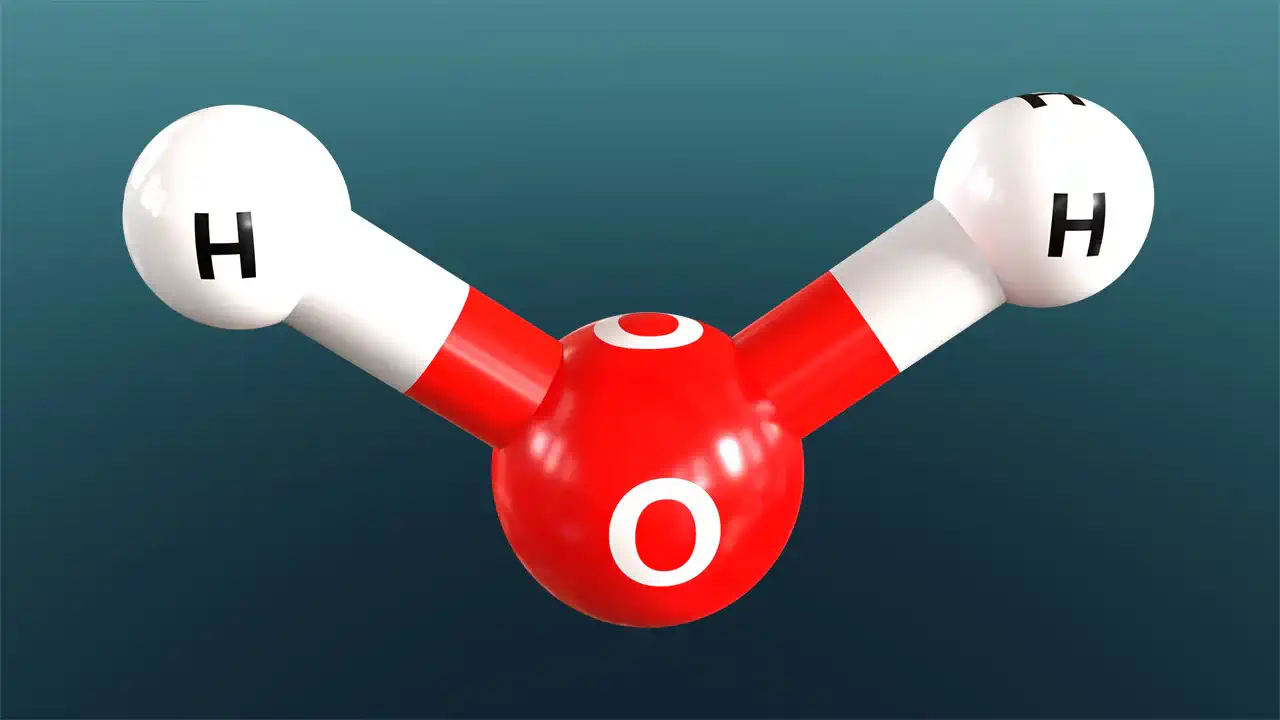
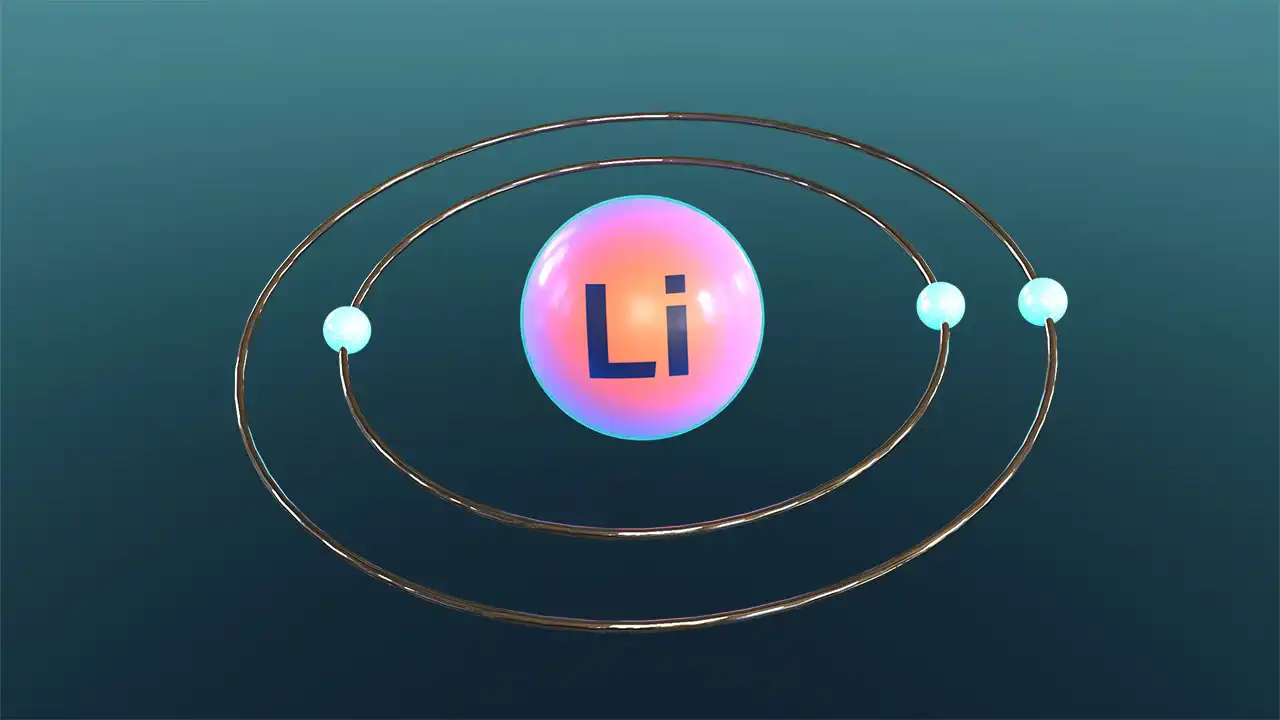
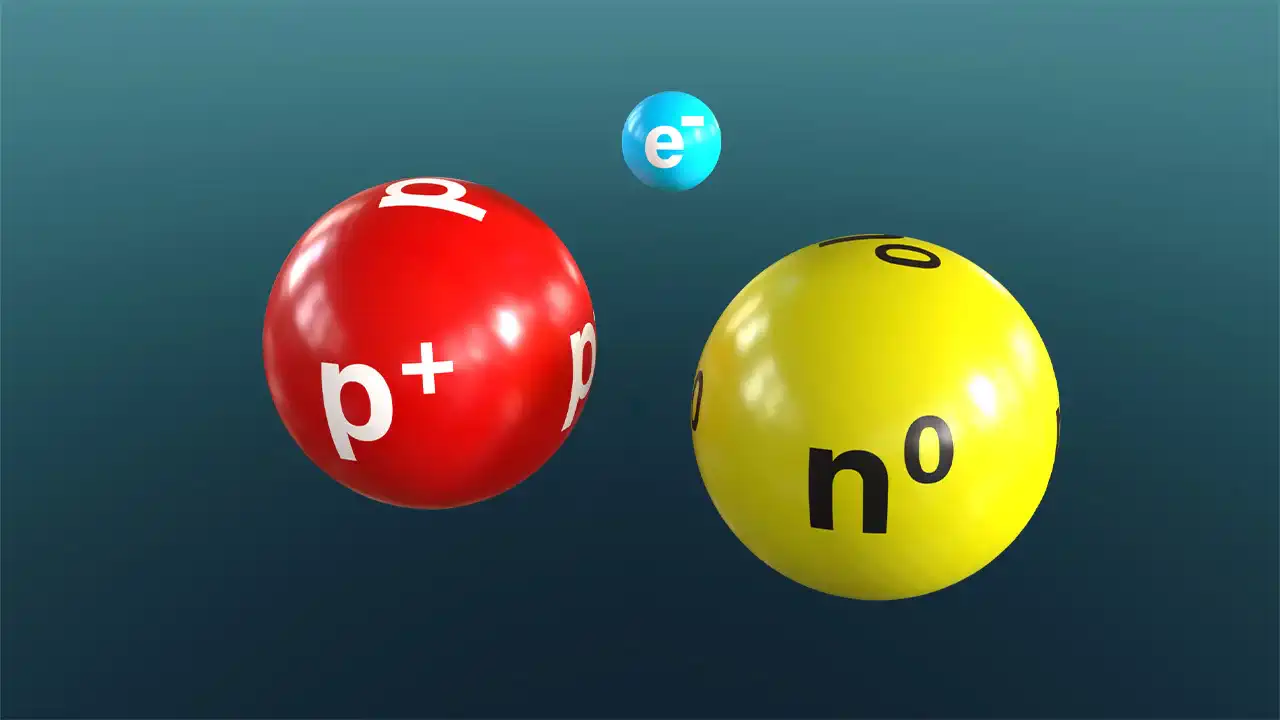
Atoms and Molecules
Atoms and Molecules
Let's Put Things in Order
7 1
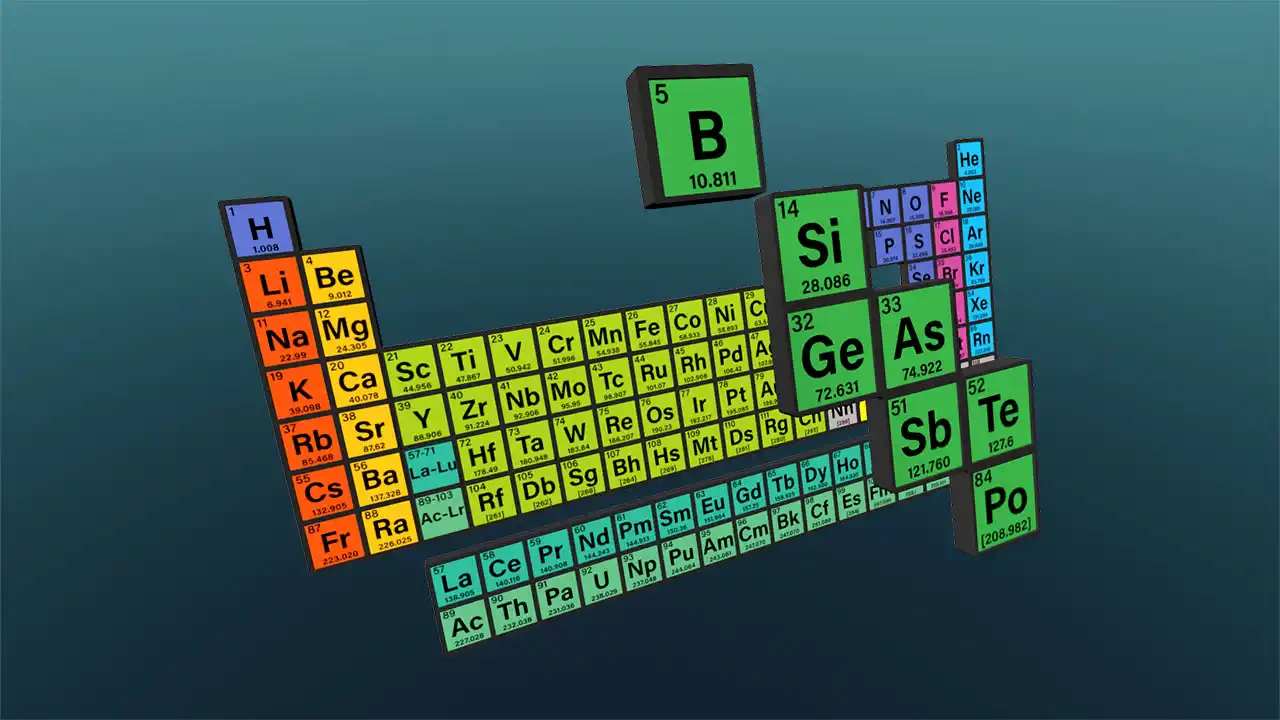
2. Let's Put Things in Order
Structure of the periodic table, periods, groups, chemical symbols, and principles of organising the elements.
Treści multimedialne
The Periodic Table
The Periodic Table
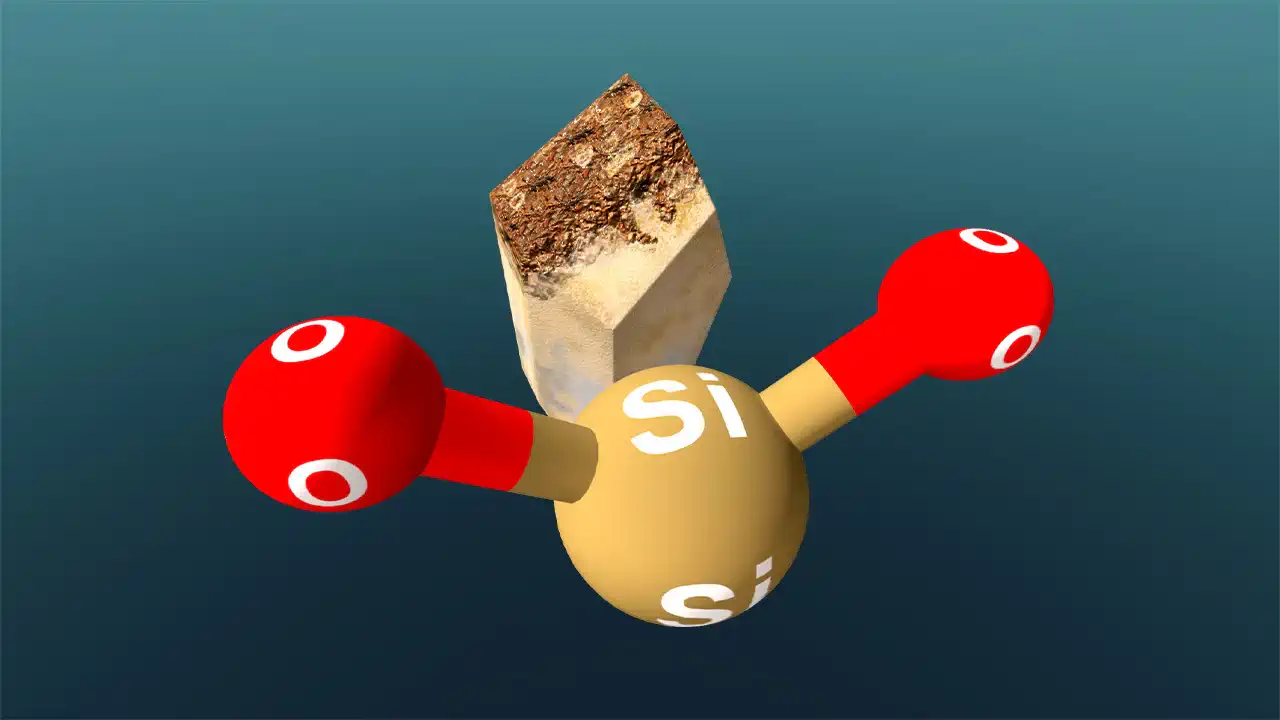
Are They Simply Substances?
8 1 1
3. Are They Simply Substances?
Characteristics of elements, compounds and mixtures, including covalent and ionic compounds.
Treści multimedialne
Pure Substances and Mixtures
Physical & Chemical
8 1
4. Physical & Chemical
Physical and chemical properties, differences between physical and chemical changes, and combustion processes, i.e. oxidation.
Treści multimedialne
Physical Changes
Physical Changes
Forming Mixtures & Compounds
10 1 1
5. Forming Mixtures & Compounds
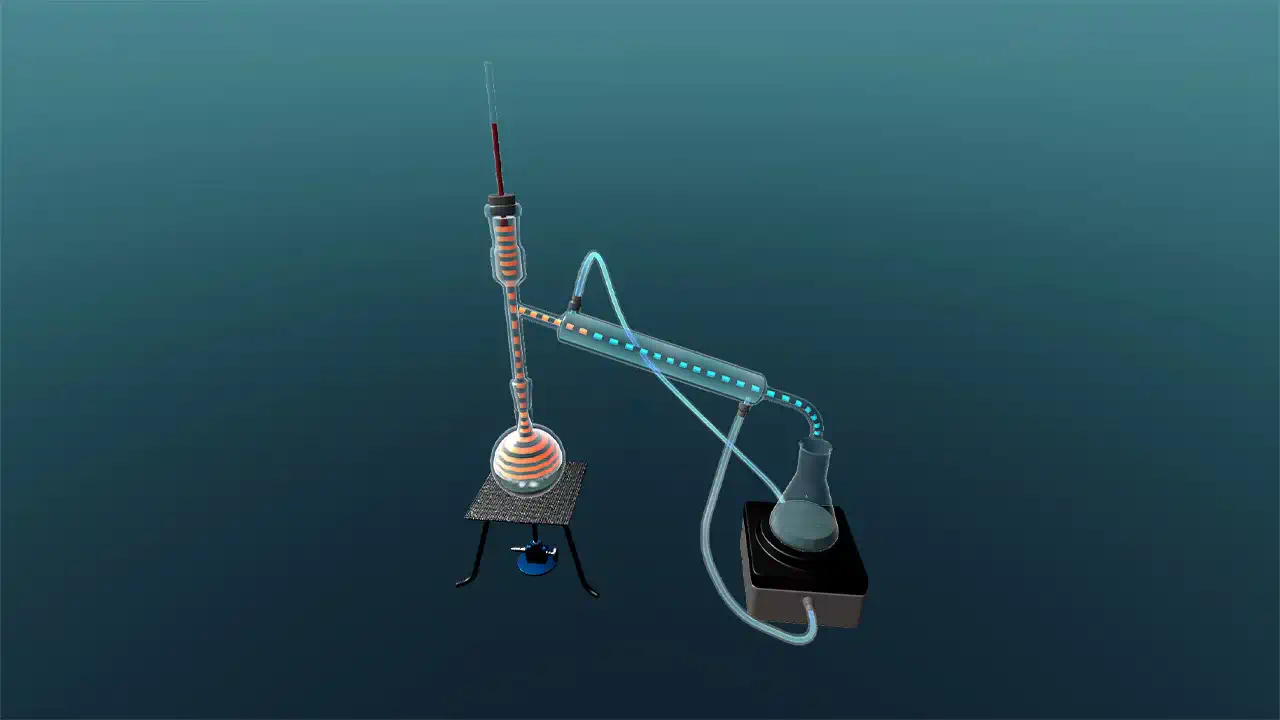
Mixtures, homogeneous mixtures and solutions, and their separation by filtration, sedimentation, evaporation and distillation.
Treści multimedialne
Distillation
Distillation
The Chemistry of Tea
9 1 1
6. The Chemistry of Tea
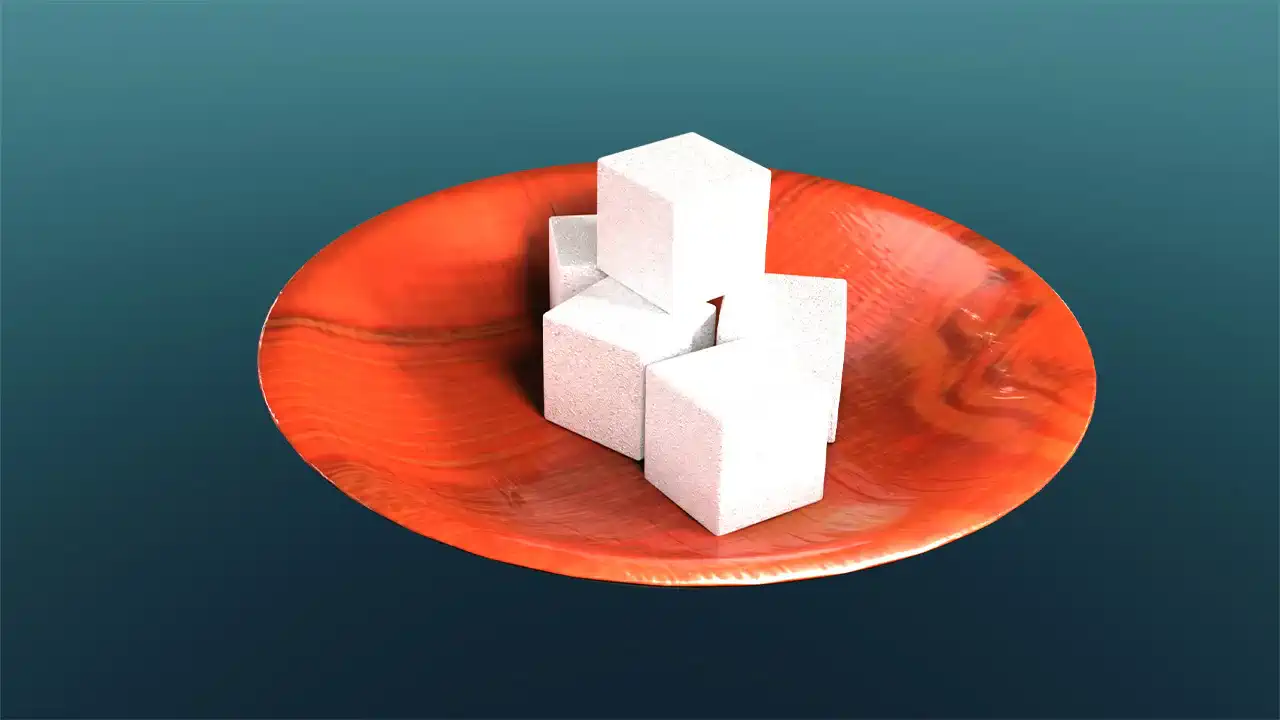
Components of solutions, solubility, solution concentration, and crystallisation.
Treści multimedialne
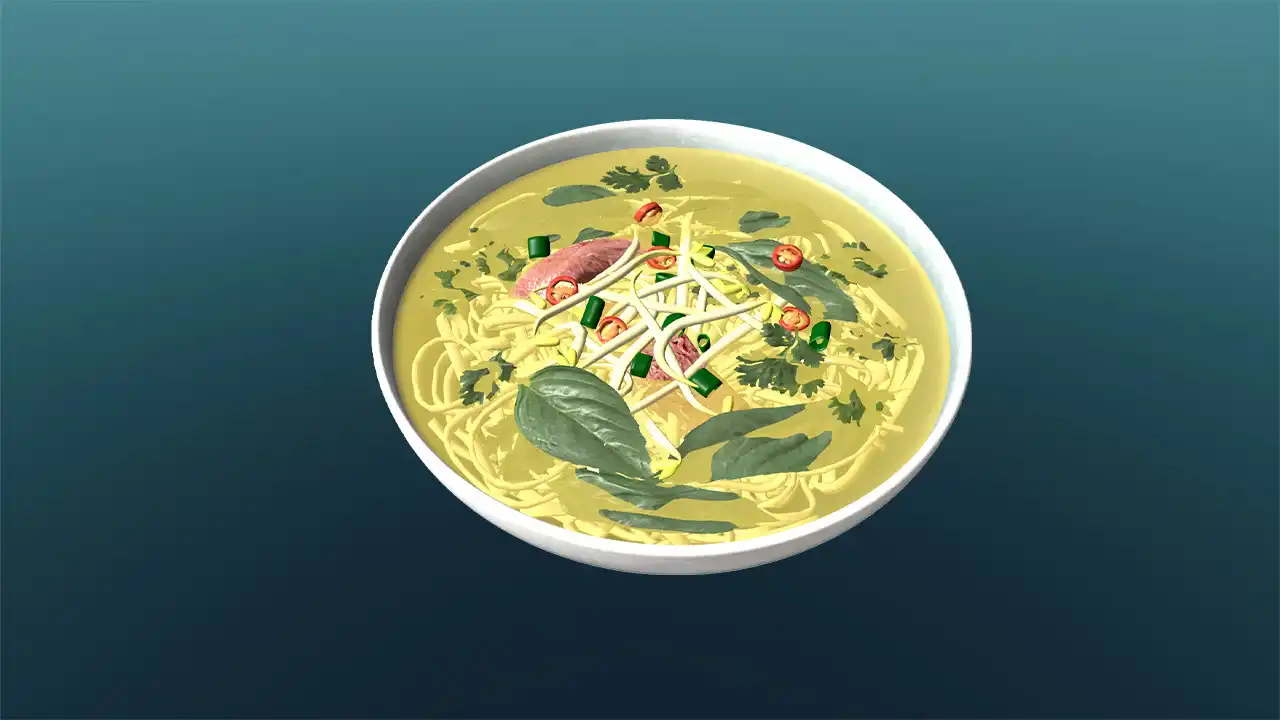
Soup as a Solution
Soup as a Solution
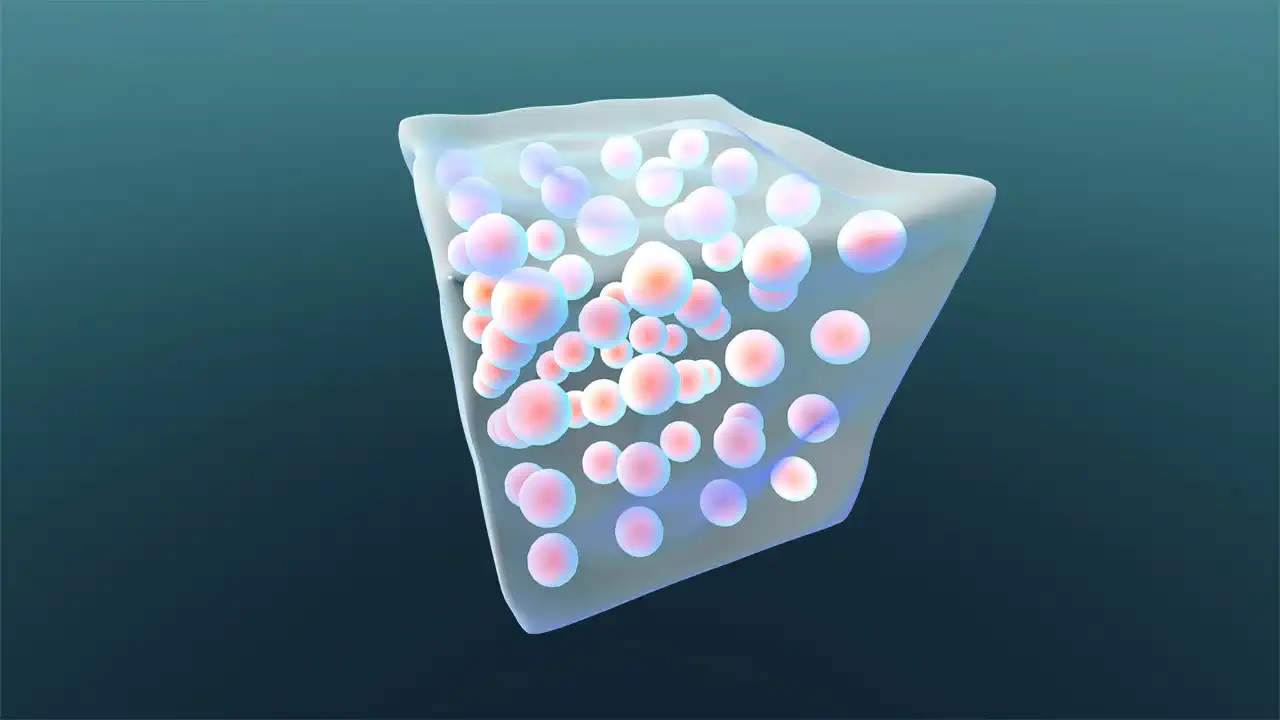
The Composition of Hair Gel
9 1 1
7. The Composition of Hair Gel
Characteristics and types of colloidal systems: foams, suspensions, emulsions, aerosols, gels and smog.
Treści multimedialne
Polymer Gels
Polymer Gels
Freezes, Melts, Evaporates
8 1 1
8. Freezes, Melts, Evaporates
States of matter and changes of state: melting, freezing, evaporation, condensation, boiling and sublimation.
Treści multimedialne
States of Matter
States of Matter
Inside The Atom
7 1
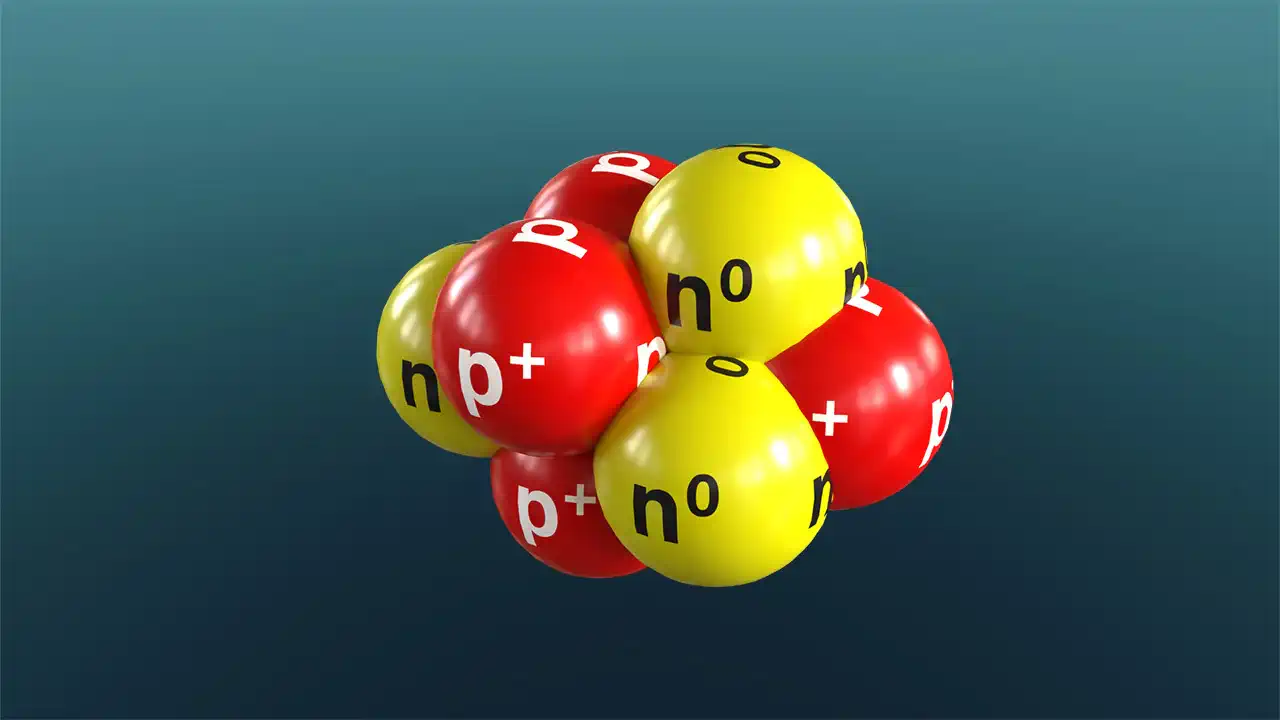
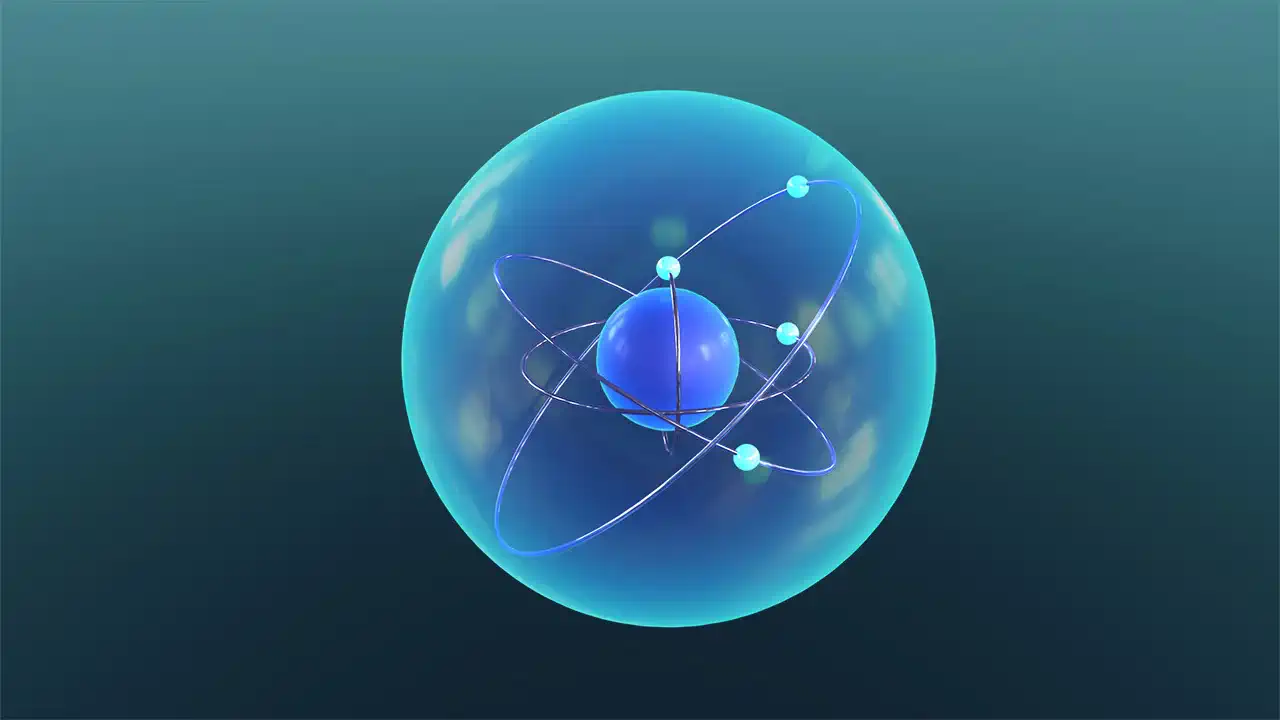
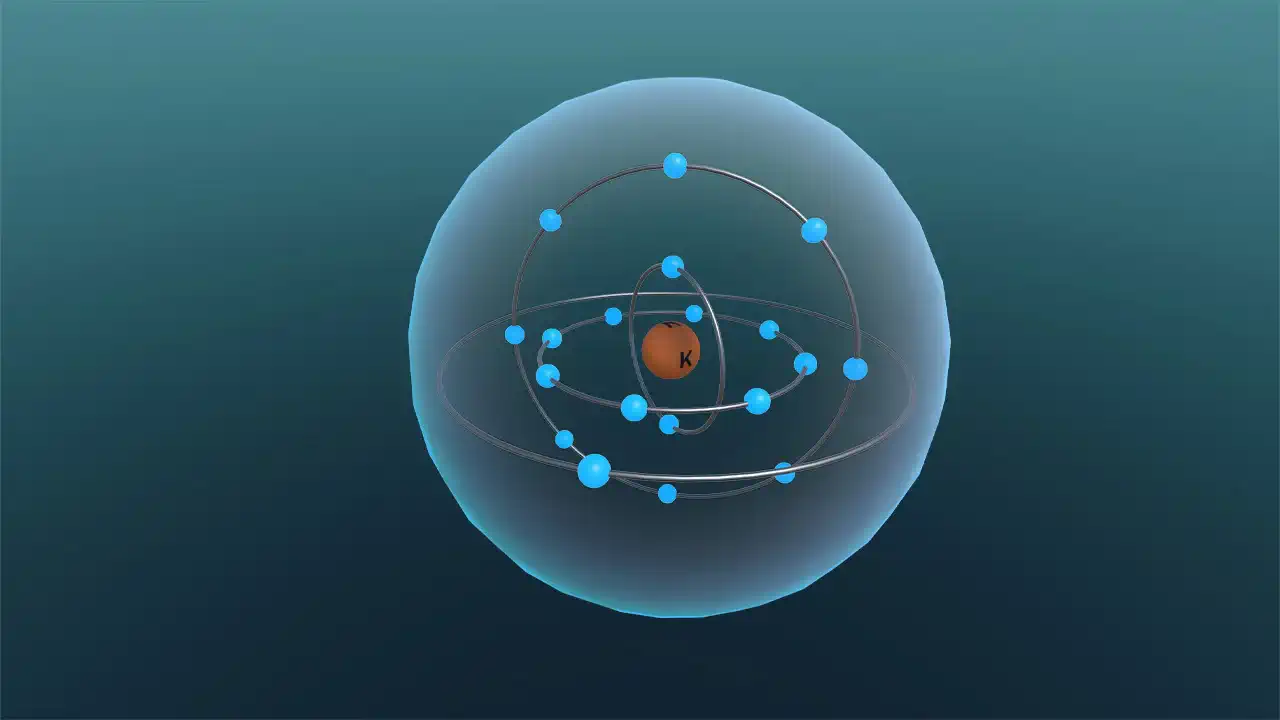
9. Inside The Atom
Development of atomic models, discovery of the nucleus, and structure of the nucleus and electron shell.
Treści multimedialne
The Atom
The Atom
Speeding Particles
7 1
10. Speeding Particles
Structure of the electron shell, shell capacities, energy minimum principle, and energy emission by electrons.
Treści multimedialne
Structure of the Electron Cloud
It's Good When Negative
8 1 1
11. It's Good When Negative
Atomic orbitals, principal and azimuthal quantum numbers, subshells, magnetic quantum number, spin quantum number, Pauli’s exclusion principle and Hund’s rule.
Treści multimedialne
The Electron Structure
The Law of Attraction
7 1
12. The Law of Attraction
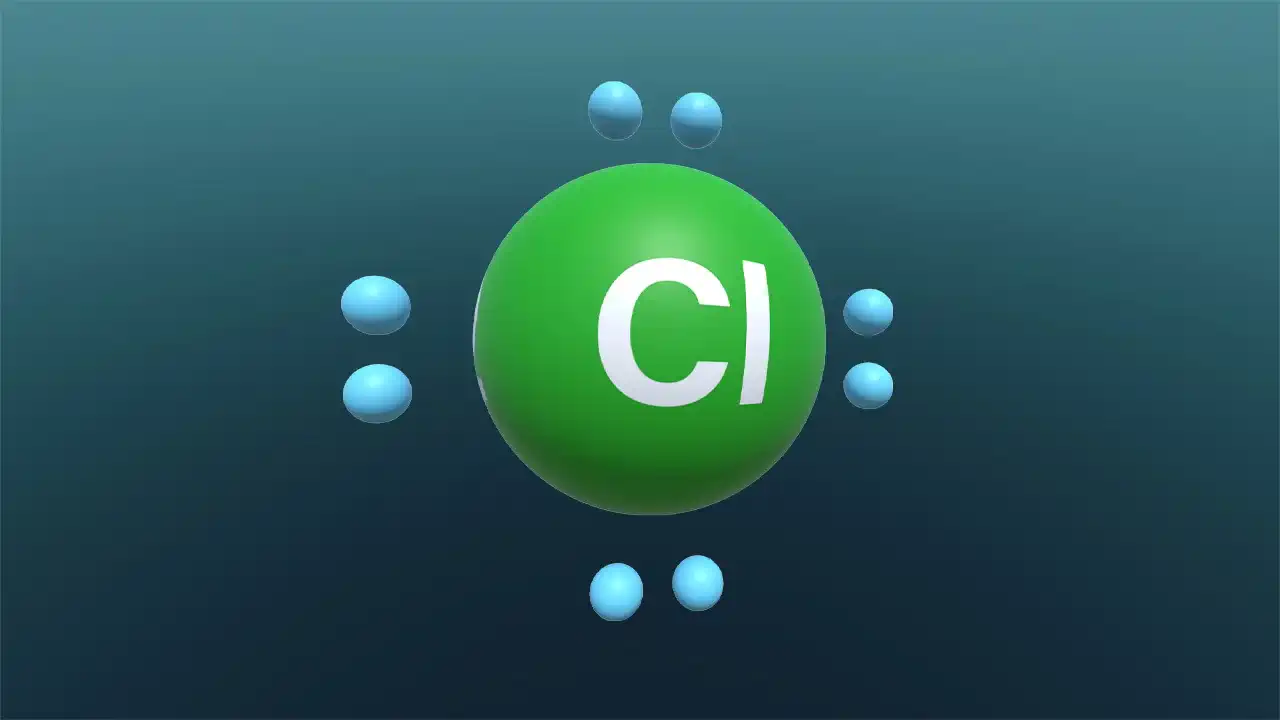
Electronegativity, noble gas structure, reactivity, formation of covalent and ionic bonds, and the rule determining bond type.
Treści multimedialne
Electronegativity
Electronegativity
Good Things Come in Pairs
8 1
13. Good Things Come in Pairs
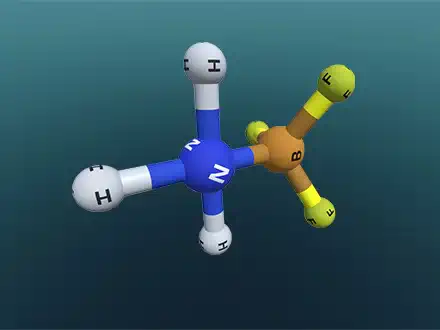
Valence electrons, bonding electron pairs, free atoms in nature, types of bonding, and formulae used to represent molecules.
Treści multimedialne
The Dative Bond
The Dative Bond
The Strongest Bonding
7 1 1
14. The Strongest Bonding
Characteristics of covalent bonds, single and multiple covalent bonds, polar and non-polar covalent bonds, and dipole molecules.
Treści multimedialne
Types of Covalent Bond
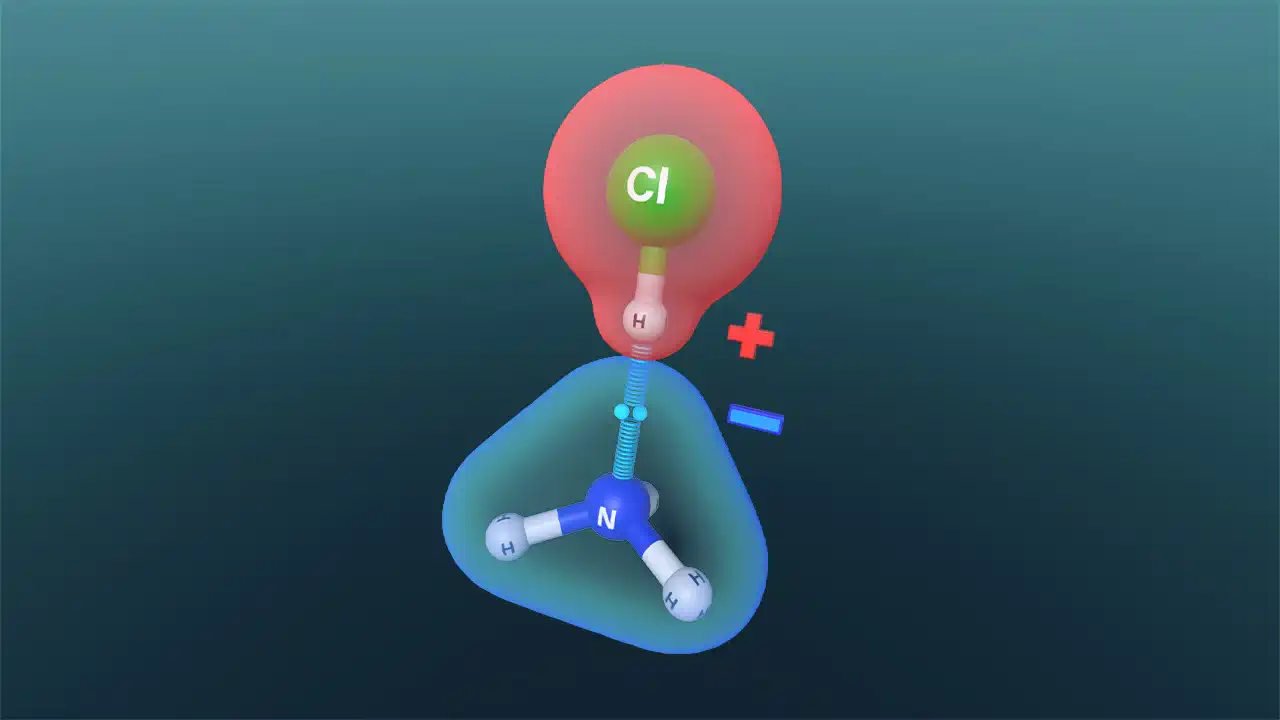
Positive vs Negative
7 1 1
15. Positive vs Negative
Formation of ionic bonds, cations and anions, significance of electronegativity, electron affinity, and ion size.
Treści multimedialne
The Formation of Ionic Bonding
Why Is It Difficult to Melt?
8 1 1
16. Why Is It Difficult to Melt?
Electrostatic attraction, ionic compounds, characteristic physical properties of ionic lattice crystals, and the operating principle of defibrillators.
Treści multimedialne
The Ionic Lattice
The Ionic Lattice
Why Is It Soft?
8 1 1
17. Why Is It Soft?
Concept of the molecular lattice, properties of molecular lattice substances, and types of secondary bonding.
Treści multimedialne
The Covalent Molecular Lattice
Why Does It Conduct Electricity?
9 1 1
18. Why Does It Conduct Electricity?
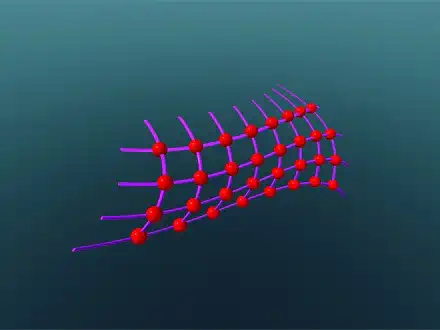
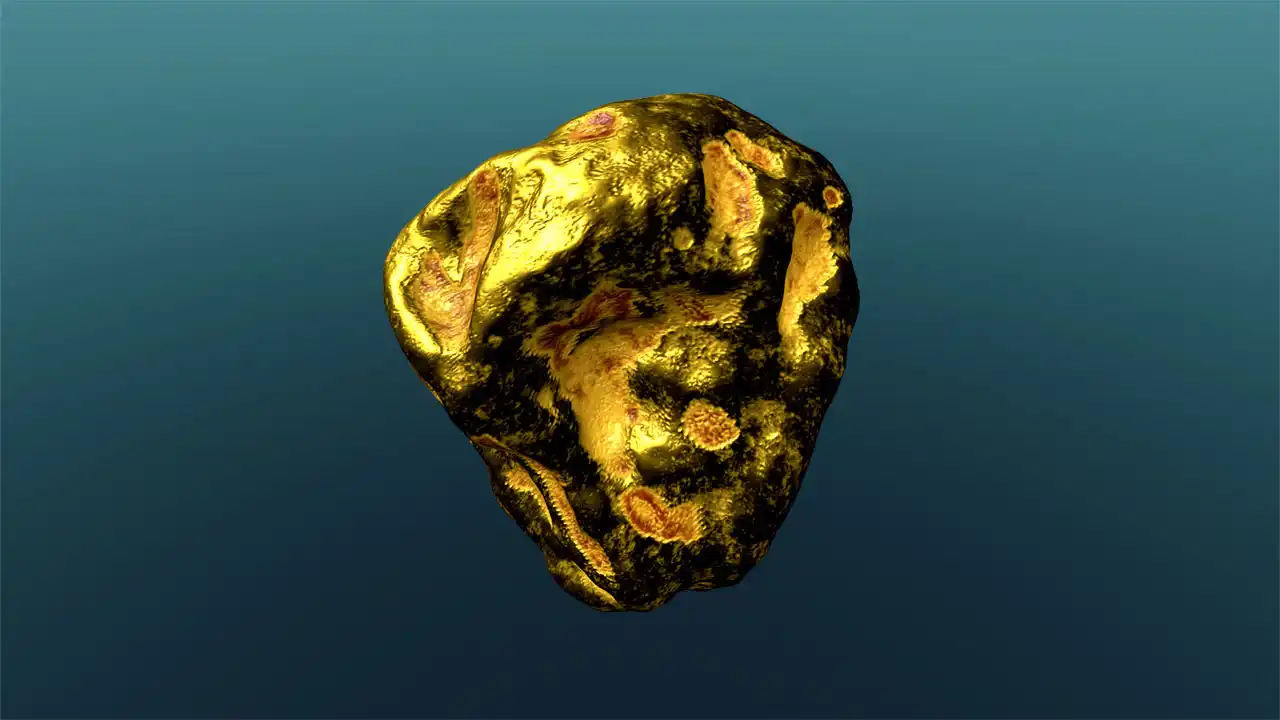
Metallic bonding and metallic lattice, common crystal structures, and classification and properties of metals.
Treści multimedialne
Gold
Gold
Why Is It Hard?
8 1 1
19. Why Is It Hard?
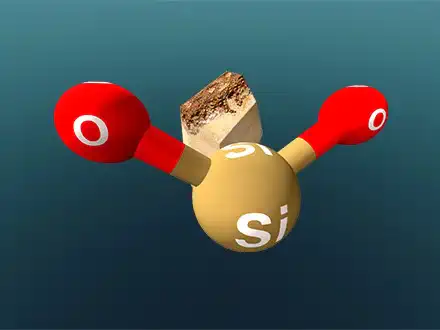
Characteristics of atomic lattice crystals, lattice energy, and structures and properties of diamond, graphite and silicon compounds.
Treści multimedialne
Diamonds
Diamonds
Electrolysis
7 1 1
20. Electrolysis
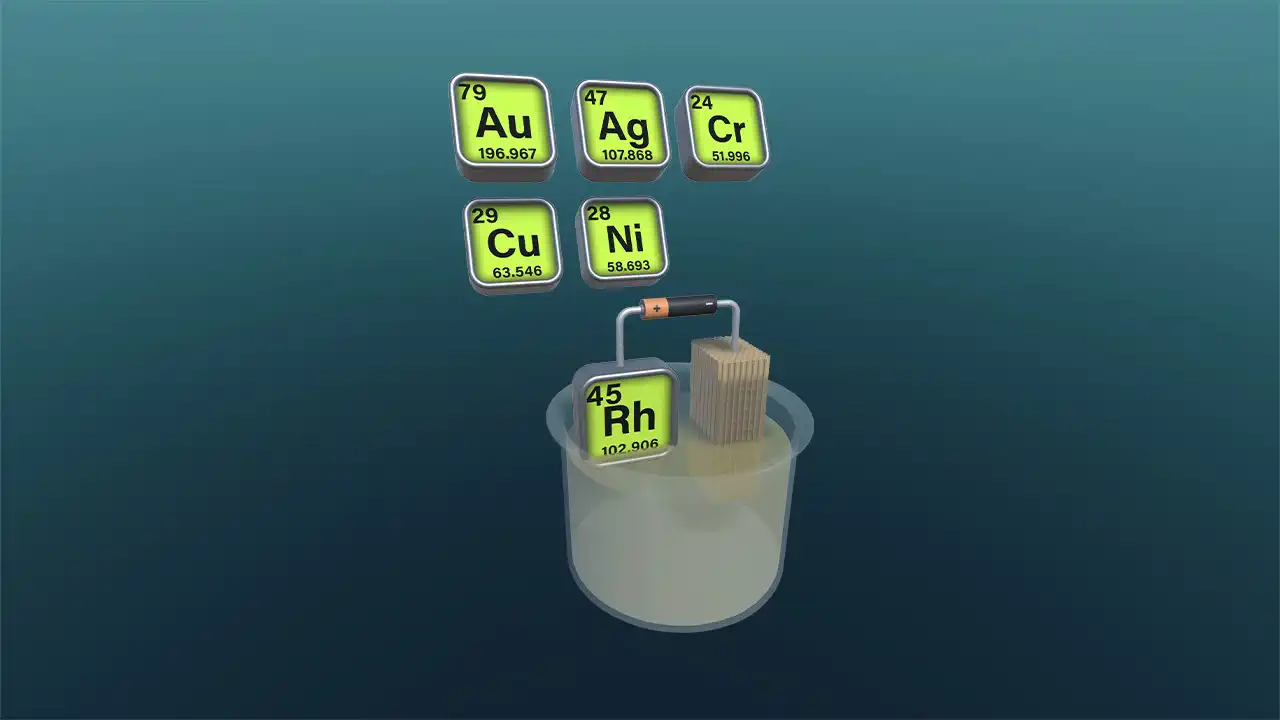
Chemical processes driven by electrical energy, water decomposition, aluminium production and electroplating.
Treści multimedialne
Electroplating
Electroplating
What Energy!
7 1
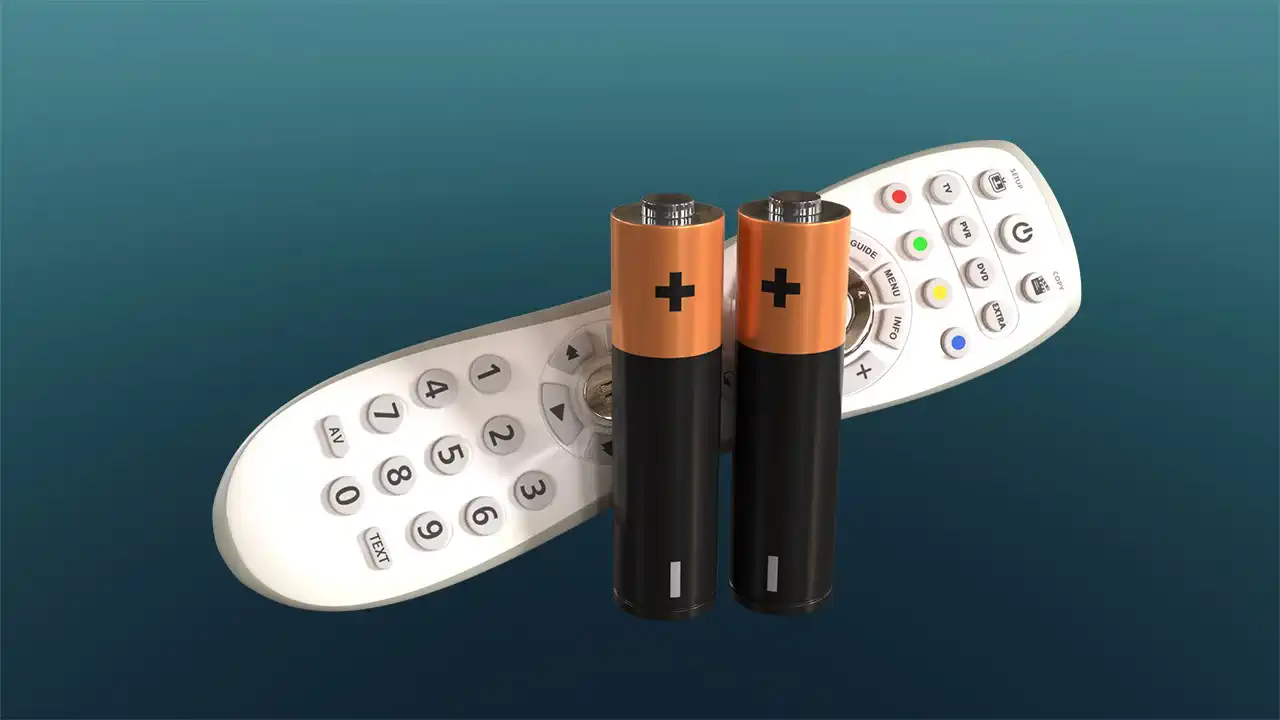
21. What Energy!
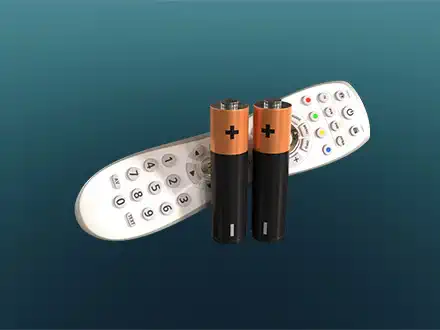
Operation of galvanic cells, batteries and fuel cells, converting chemical energy into electrical energy.
Treści multimedialne
The Alkaline Battery
Perfect Shapes
7 1 1
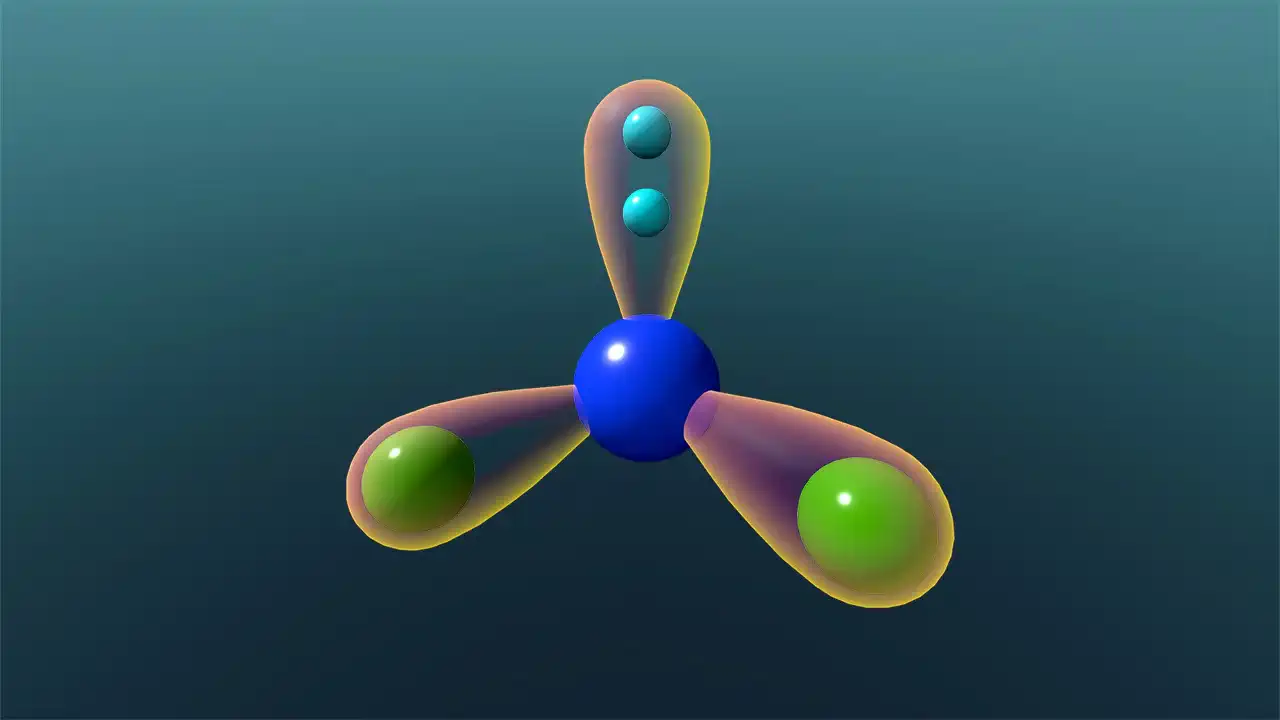
22. Perfect Shapes
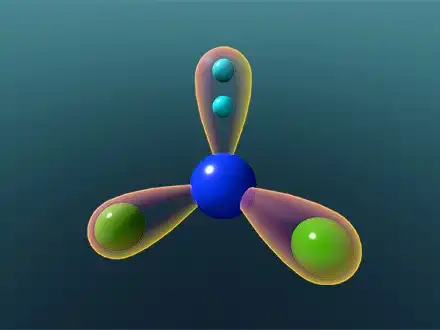
Molecular geometry, arrangement of bonding and non-bonding electron pairs, central atom, elemental and compound molecules.
Treści multimedialne
Shapes of Molecules
Shapes of Molecules
What Is Required for Reactions?
6 1
23. What Is Required for Reactions?
Conditions for chemical reactions, reaction rate and influencing factors, and roles of catalysts and enzymes.
Treści multimedialne
Chemical Reactions
Chemical Reactions
Endotherm & Exotherm Reactions
8 1 1
24. Endotherm & Exotherm Reactions
Energy changes in endothermic and exothermic reactions, redox reactions, oxidising and reducing agents, and photosynthesis.
Treści multimedialne
Photosynthesis
Photosynthesis
Is It Reversible?
9 1
25. Is It Reversible?
Irreversible and reversible reactions, dynamic equilibrium, ammonia production, ester formation, and the Le Chatelier-Braun principle.
Treści multimedialne
Reversible Chemical Reactions
Underwater Happenings
8 1 1
26. Underwater Happenings
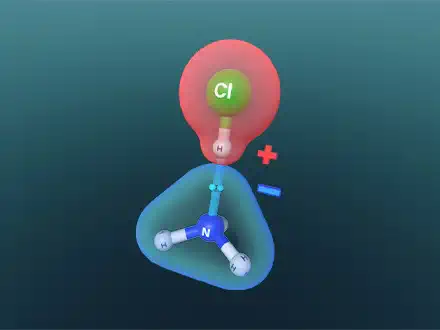
Water dissociation, pH scale, acidic and alkaline conditions, strong and weak acids, and indicators.
Treści multimedialne
Hydrochloric Acid
Hydrochloric Acid
Chemistry in The Tap
6 1 1
27. Chemistry in The Tap
Causes of water hardness, degree of hardness, temporary and permanent hardness, and water softening by boiling, chemical treatment and ion exchange.
Treści multimedialne
The Chemistry of Limescale
Lathering & Scented
8 1 1
28. Lathering & Scented
Soap production and structure, properties of hydrophilic and hydrophobic parts, and uses of soap-like substances.
Treści multimedialne
Soap
Soap
Radioactive Decay
8 1 1
29. Radioactive Decay
Radioactive decay, spontaneous radioactivity, radiation characteristics, half-life, and properties of alpha, beta and gamma radiation.
Treści multimedialne
The Alpha Decay
The Alpha Decay
Chemical Look-Alikes
7 1 1
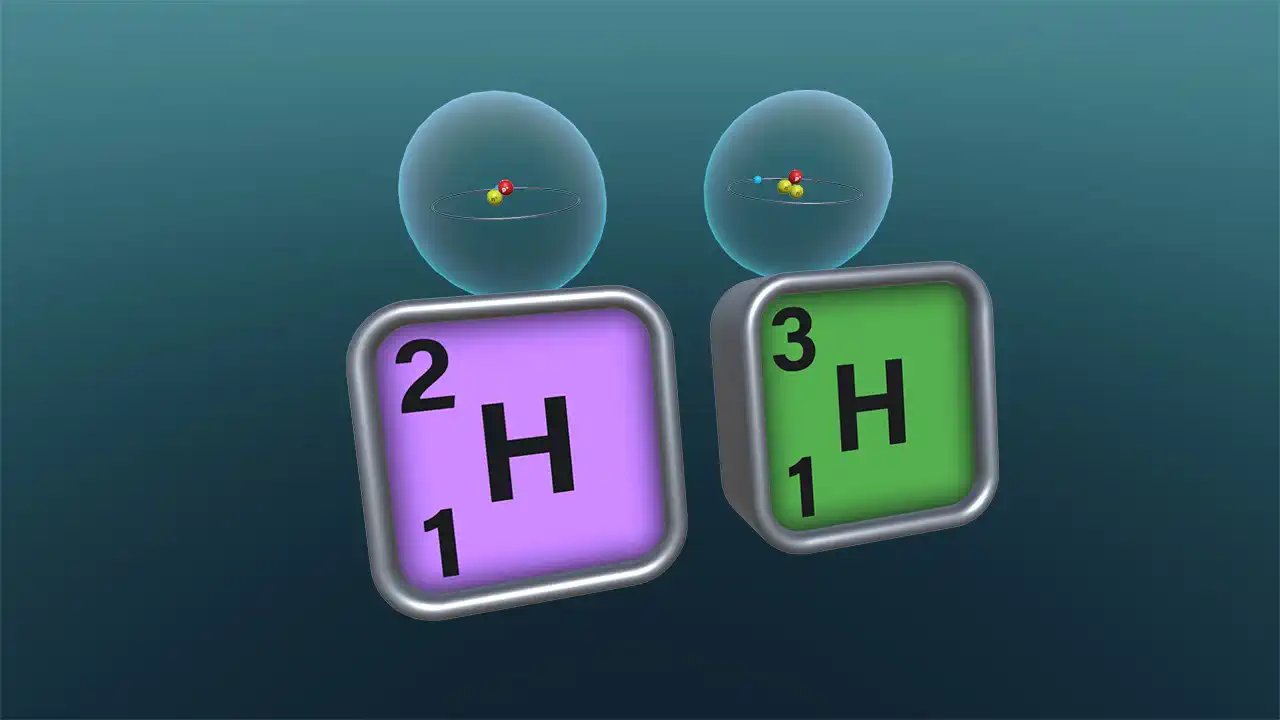
30. Chemical Look-Alikes
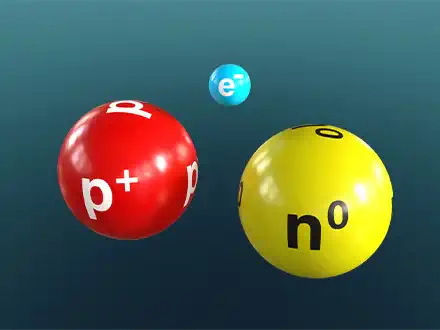
Isotopes, identical proton numbers and different neutron numbers, the same atomic number but different mass numbers, and their properties and applications.
Treści multimedialne
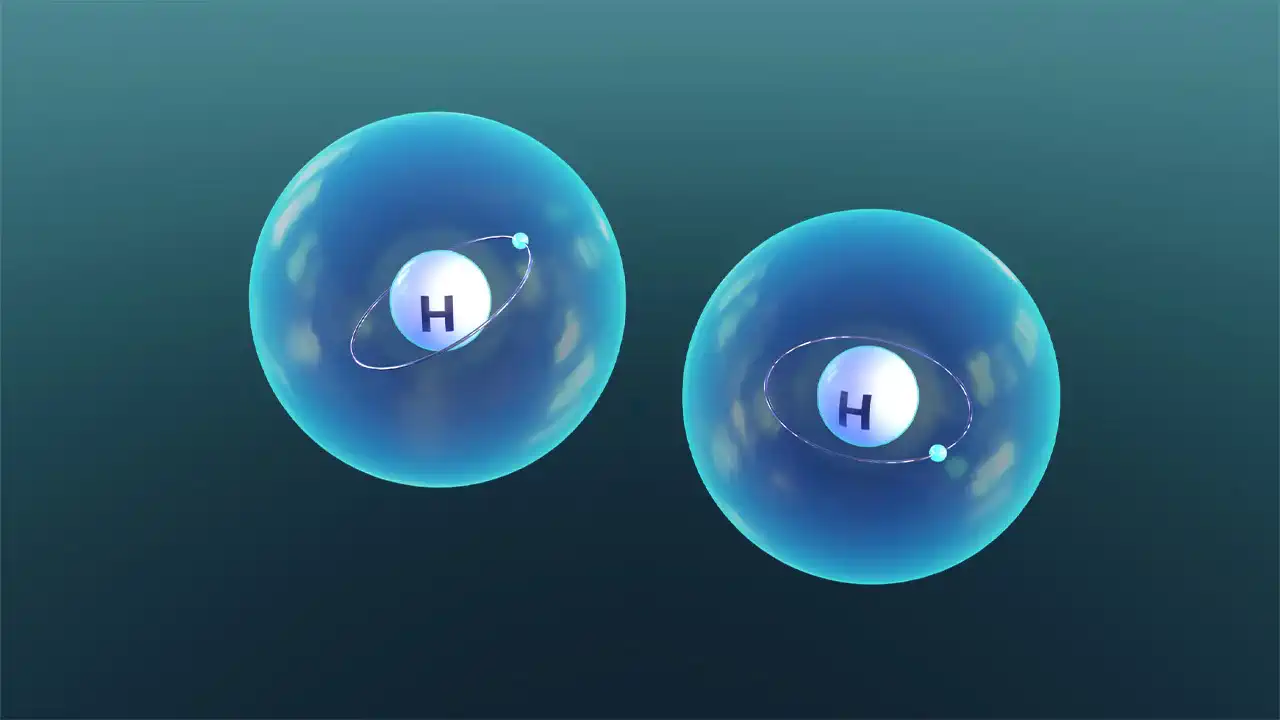
Isotopes of Hydrogen
Splitting The Atom
7 1 1
31. Splitting The Atom
Nuclear reactions and fission, neutron irradiation, chain reactions, controlled fission, and risks of nuclear power generation.
Treści multimedialne
The Beta Decay
The Beta Decay
What Is a Plastic Bag Made of?
7 1 1
32. What Is a Plastic Bag Made of?
Characteristics and additives of plastics, polyethylene structure, thermoplastics and duroplasts, and environmental effects of plastic waste.
Treści multimedialne
Polyethylene
Polyethylene
Caution, Chemicals!
8 1 1
33. Caution, Chemicals!
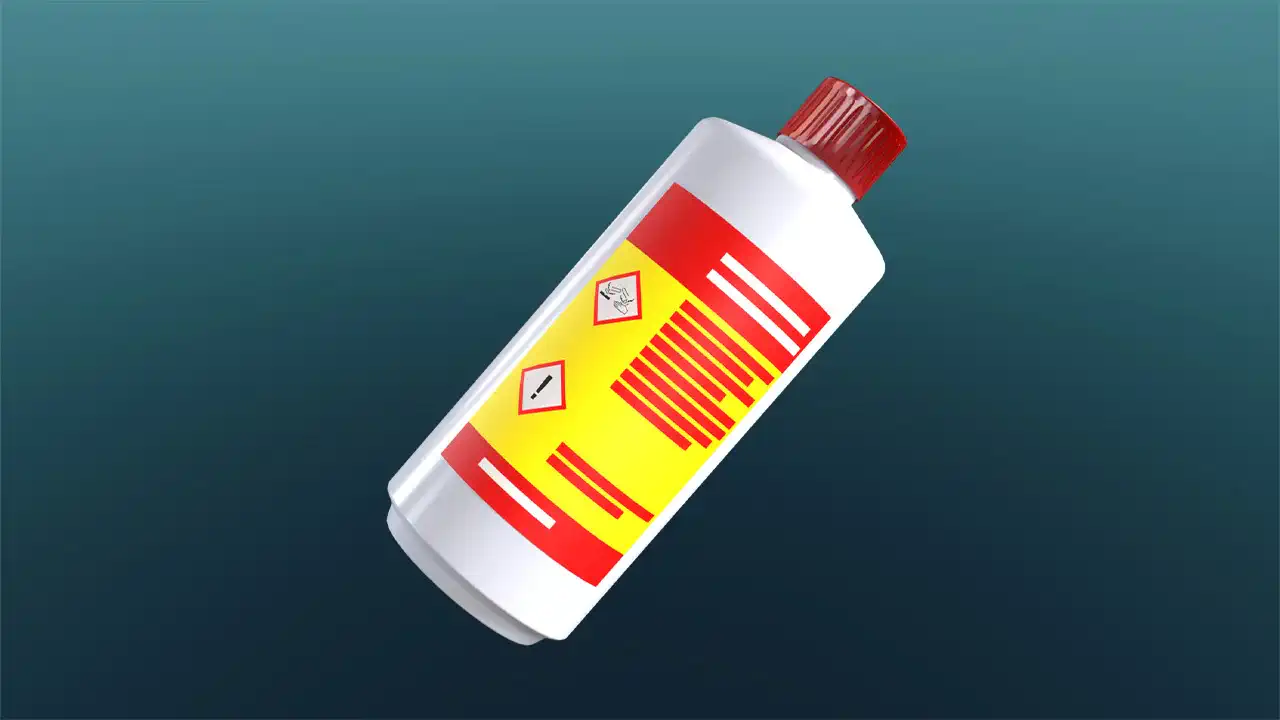
Composition, uses, hazards and safe handling of household hydrochloric acid, chlorine bleach, scrubbing agents and descalers.
Treści multimedialne
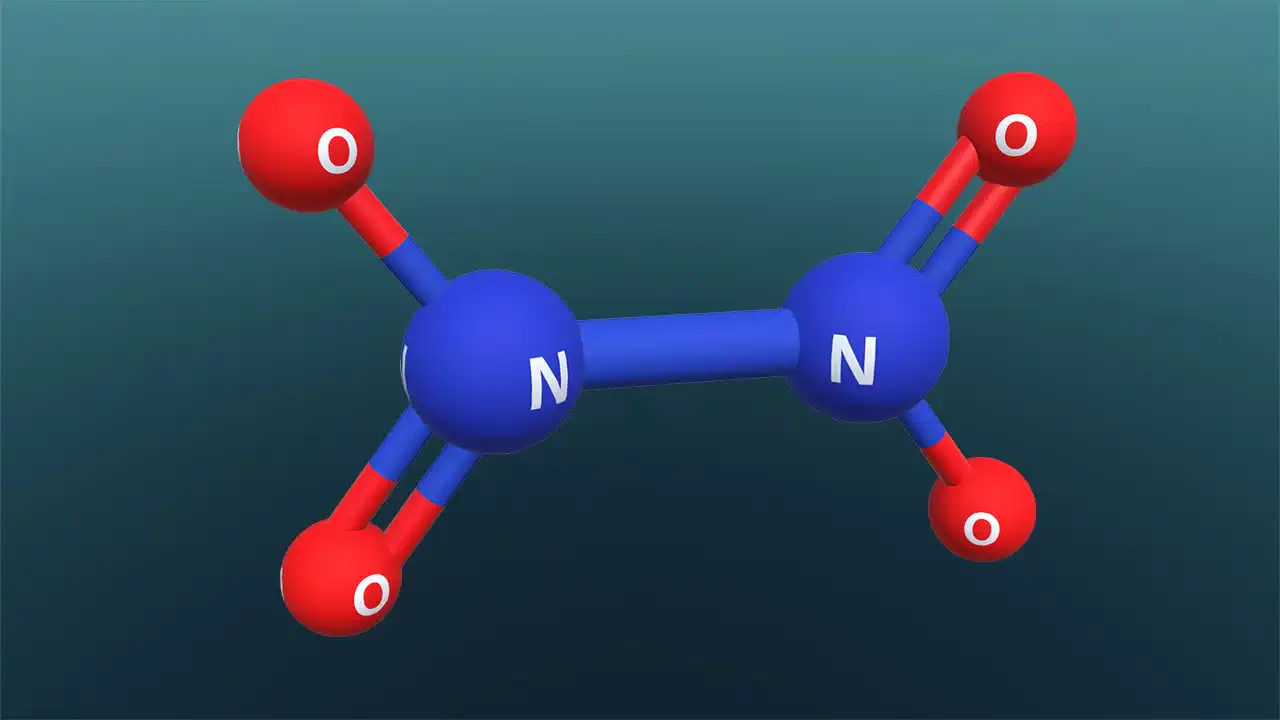
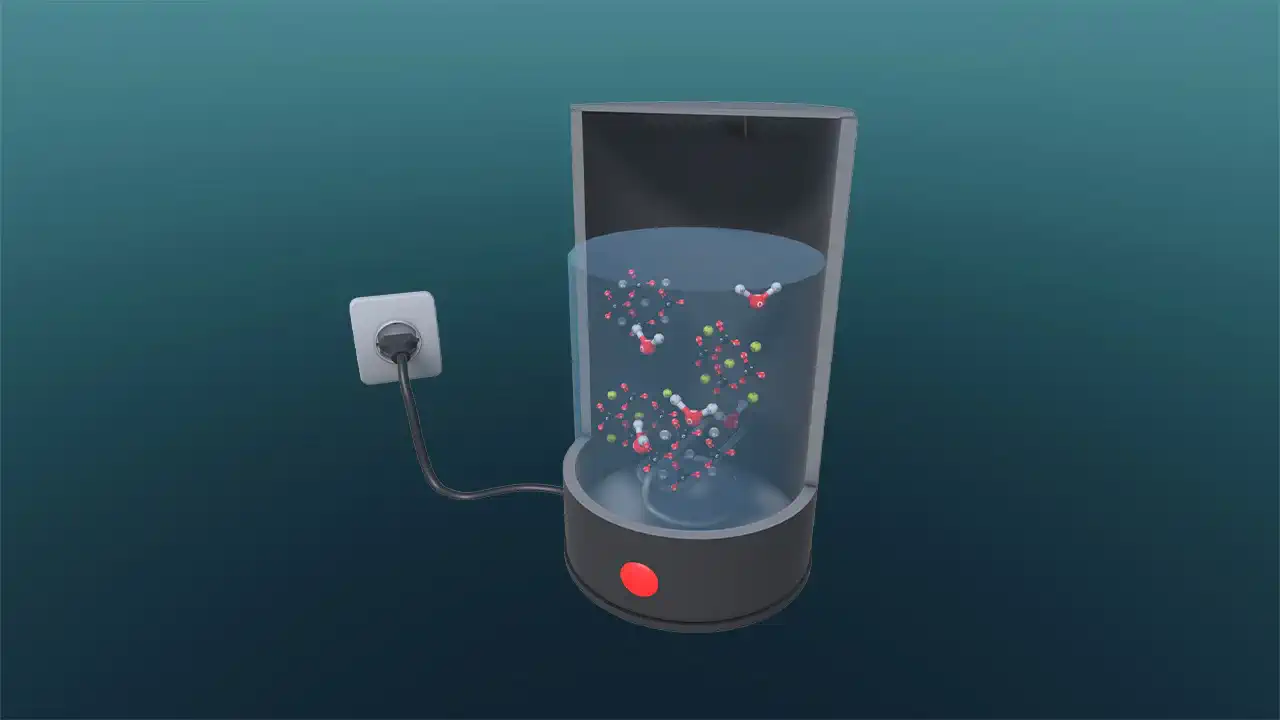
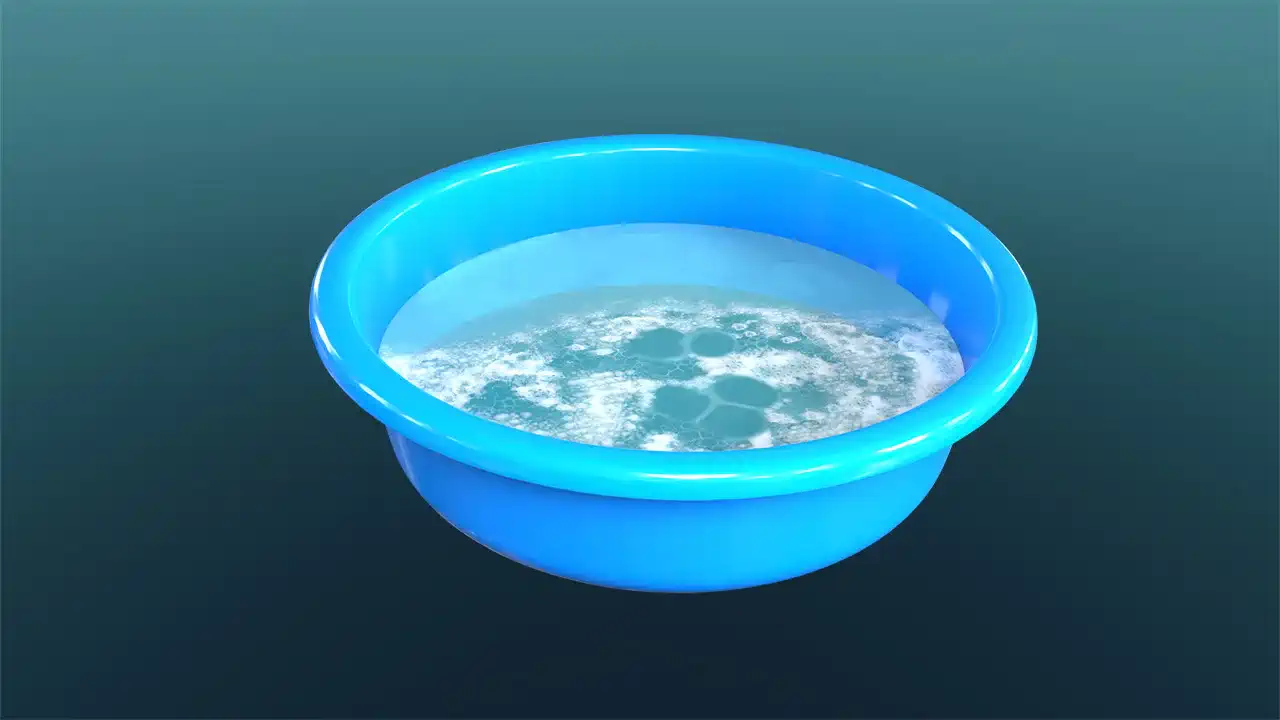
The Reaction of Chlorine Bleach and Hydrochloric Acid
The Secret of Food
8 1 1
34. The Secret of Food
Roles of table salt, carbonic, acetic, citric, salicylic and tartaric acids, and baking soda in foods.
Treści multimedialne
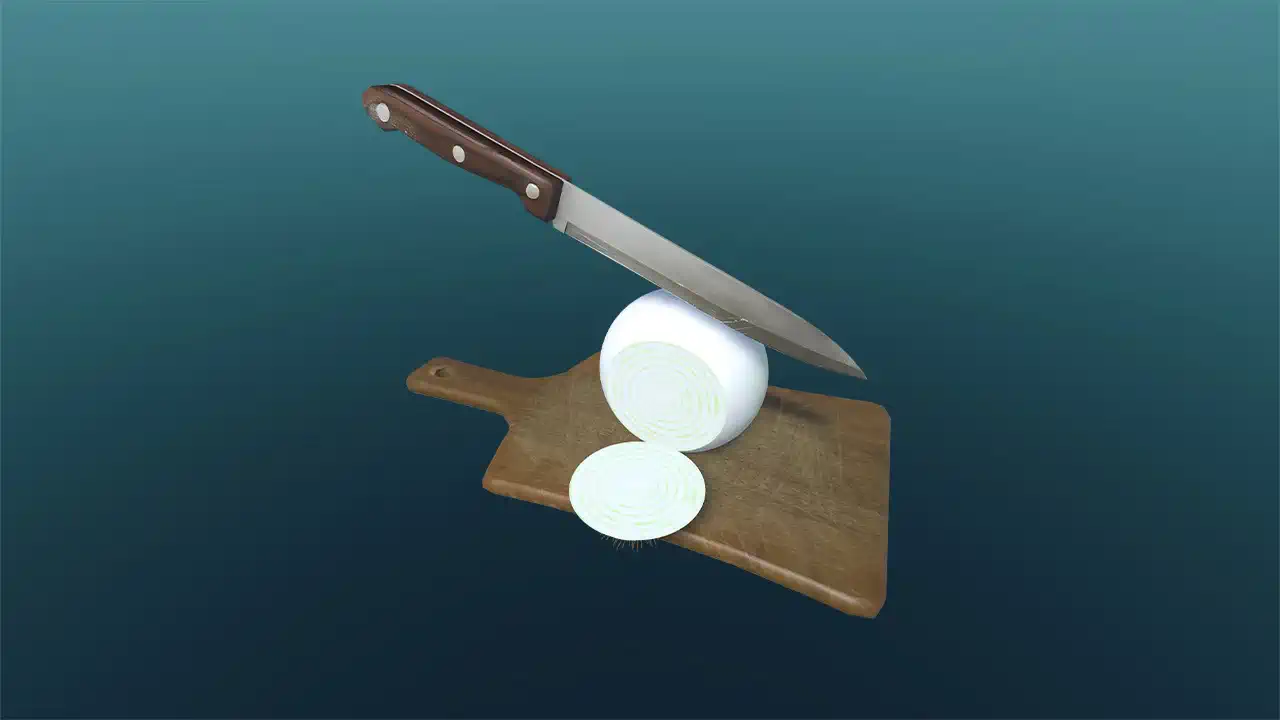
Why Do Onions Make Us Cry?
The Chemistry in The Beauty Industry
8 1 1
35. The Chemistry in The Beauty Industry
Colloidal face creams, hair bleaching by oxidation, nail polish removers, and nylon, the first synthetic fibre.
Treści multimedialne
Hair Dye
Hair Dye
Precious Metals
8 1 1
36. Precious Metals
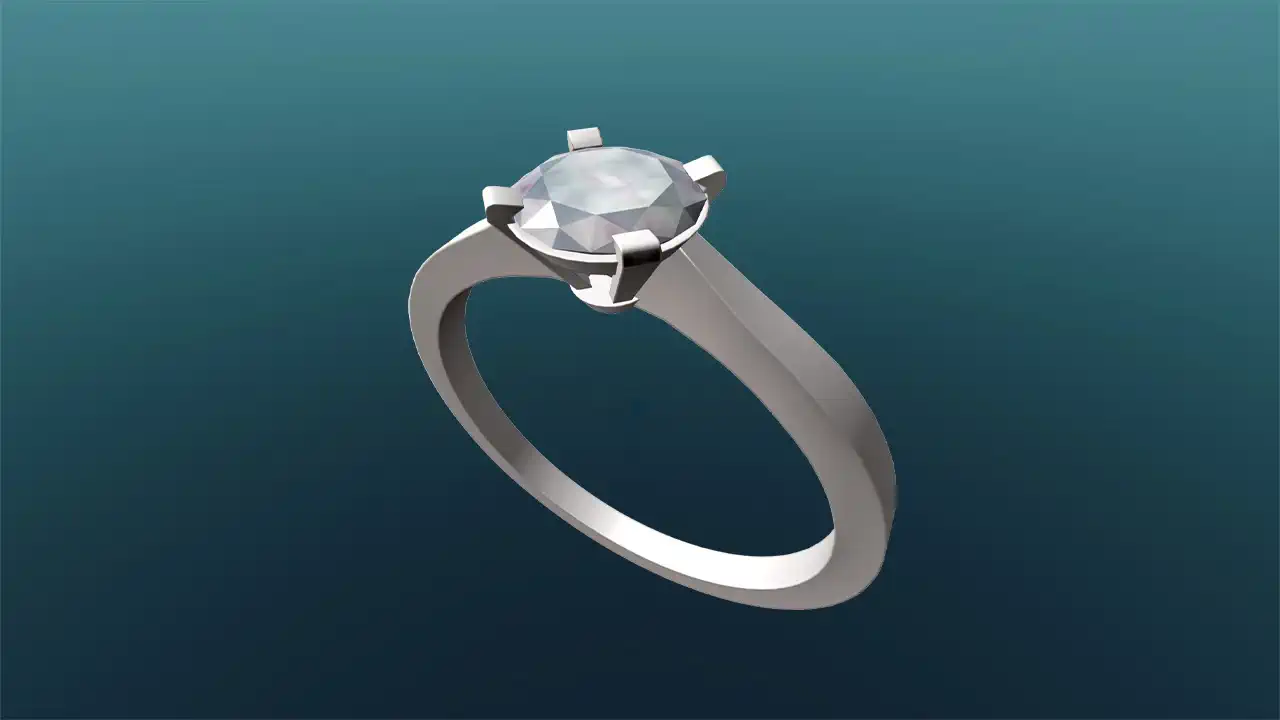
Properties of precious and platinum metals, and their uses in alloys, catalysts, jewellery and electrical engineering.
Treści multimedialne
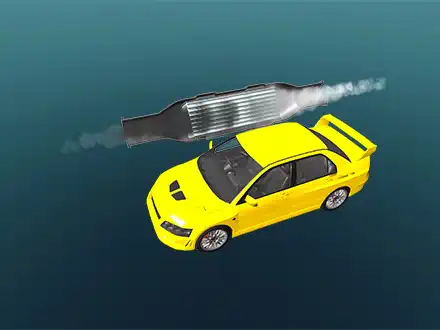
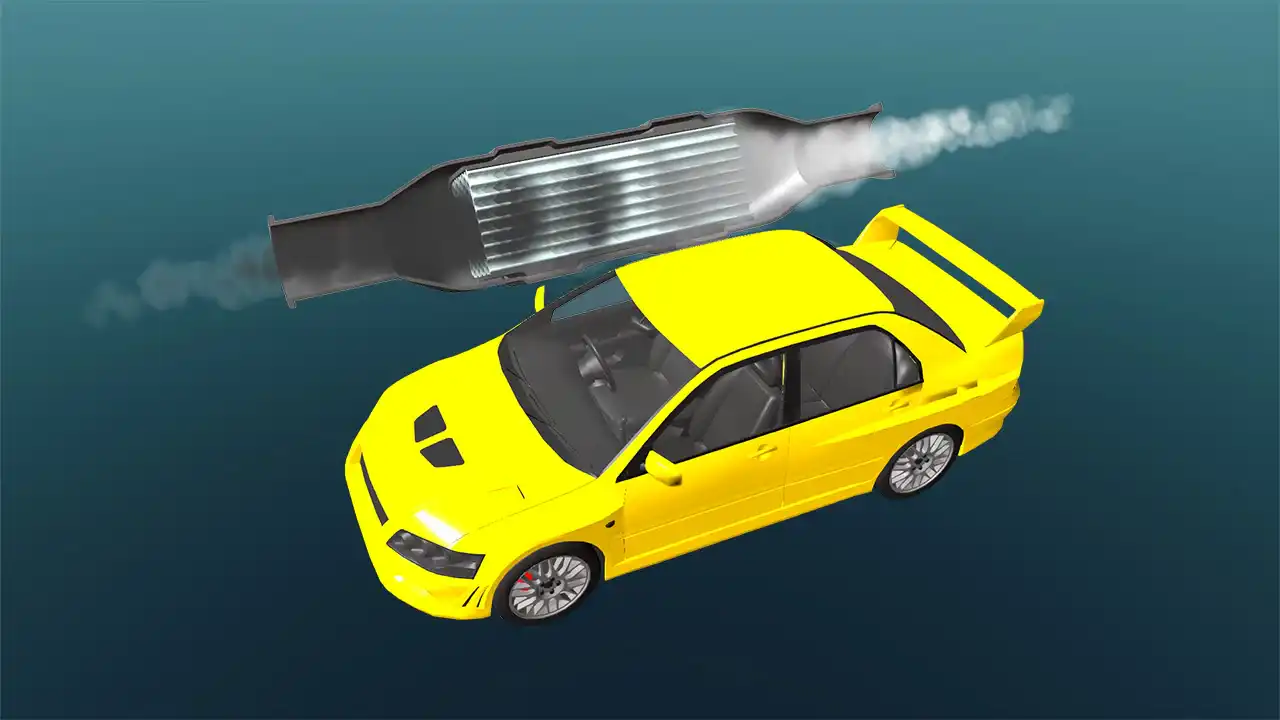
The Catalytic Converter
Chemistry Below & Above
9 1 1
37. Chemistry Below & Above
Soil mineral replenishment, environmental effects of excessive fertilisation, atmospheric composition and chemistry, and greenhouse gases.
Treści multimedialne
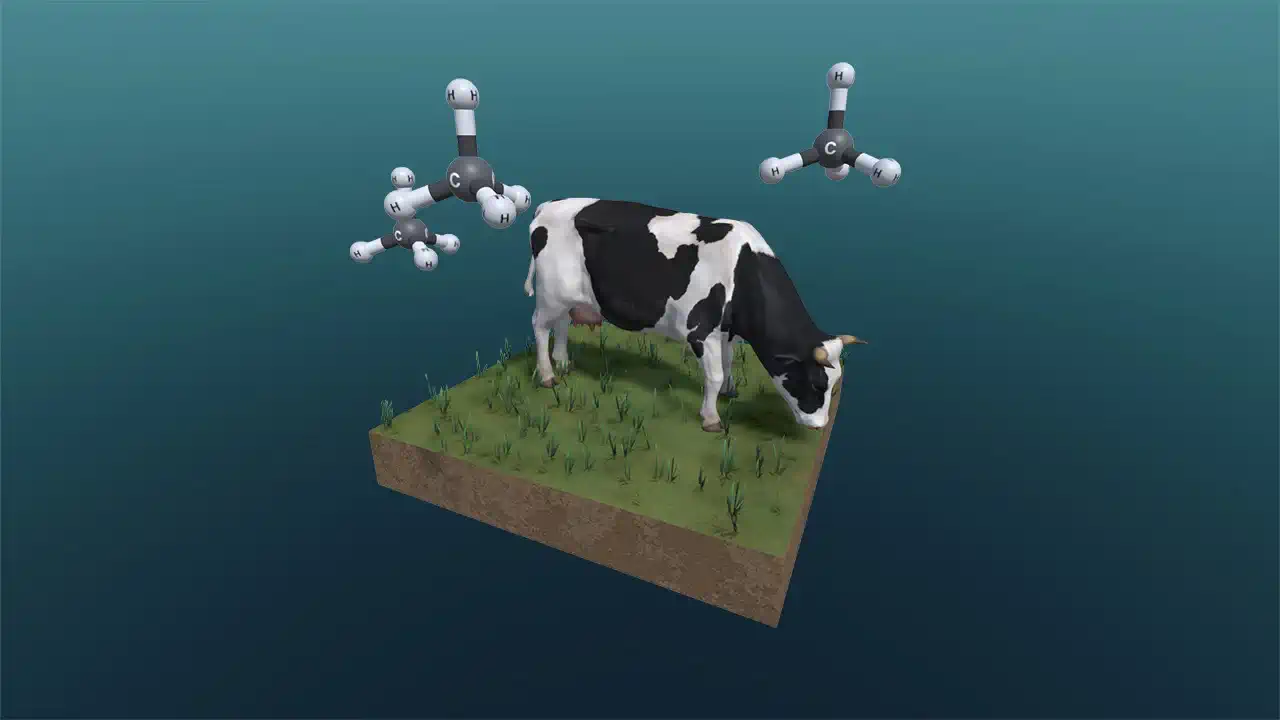
Methane
Methane
Let’s Can & Preserve
9 1 1
38. Let’s Can & Preserve
Causes of food spoilage and the mechanisms of different food preservation methods.
Treści multimedialne
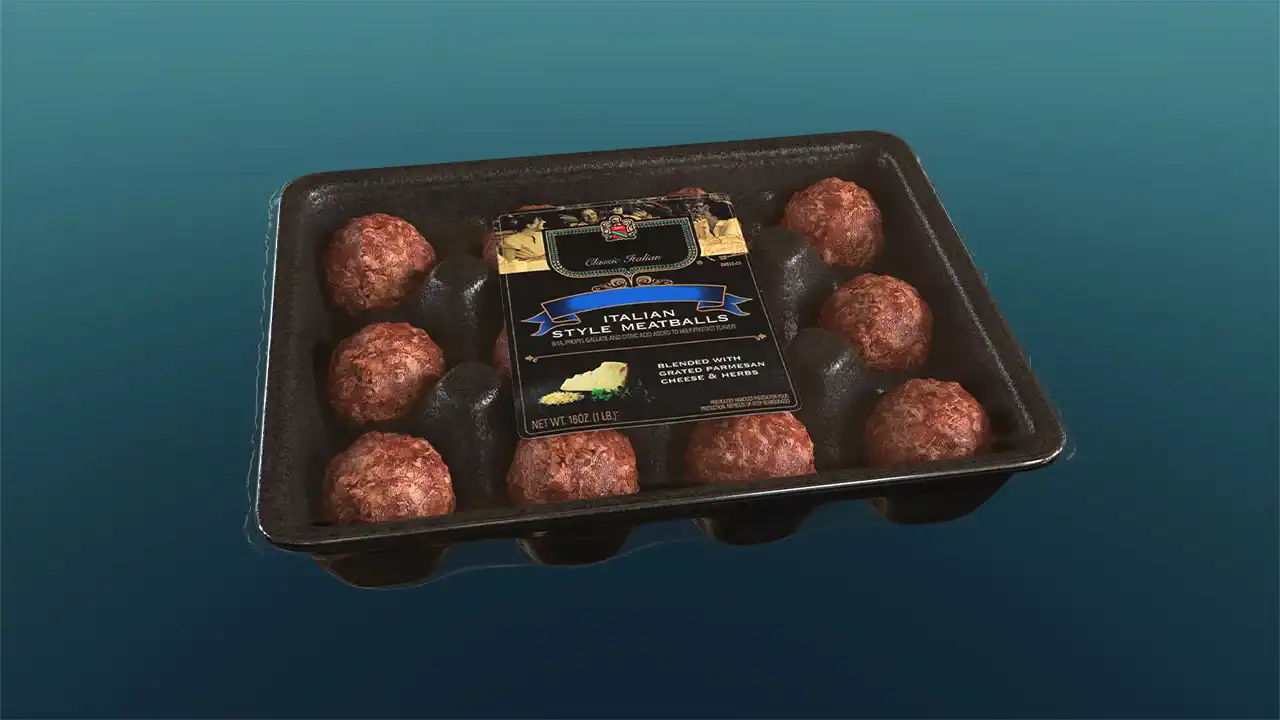
Chemistry in Packaging
Why Is It So Delicious?
7 1 1
39. Why Is It So Delicious?
Biochemistry of fruit ripening: sugar formation, starch breakdown, essential oils, aroma compounds, and after-ripening.
Treści multimedialne
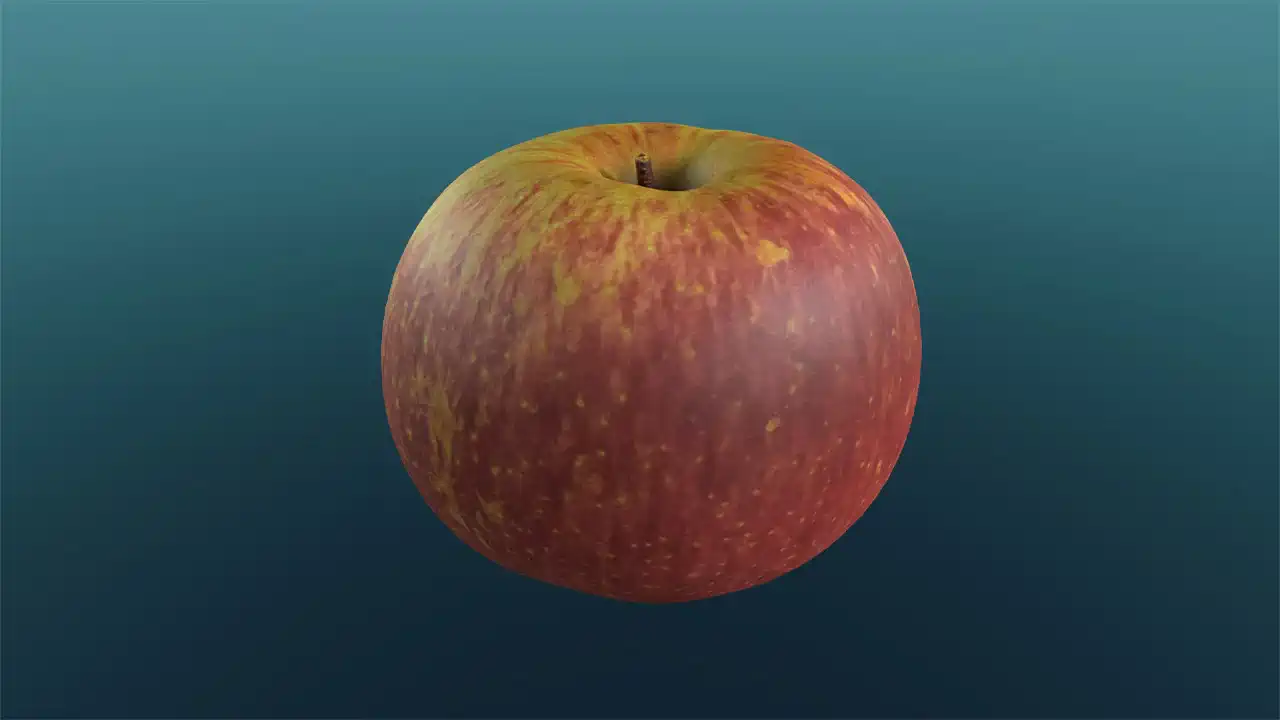
The Chemistry of Fruit Ripening
The Earth Is Our Treasure
9 1 1
40. The Earth Is Our Treasure
Sustainable development, role of the ozone layer, ecological footprint, importance of waste management, and eco tips.
Treści multimedialne
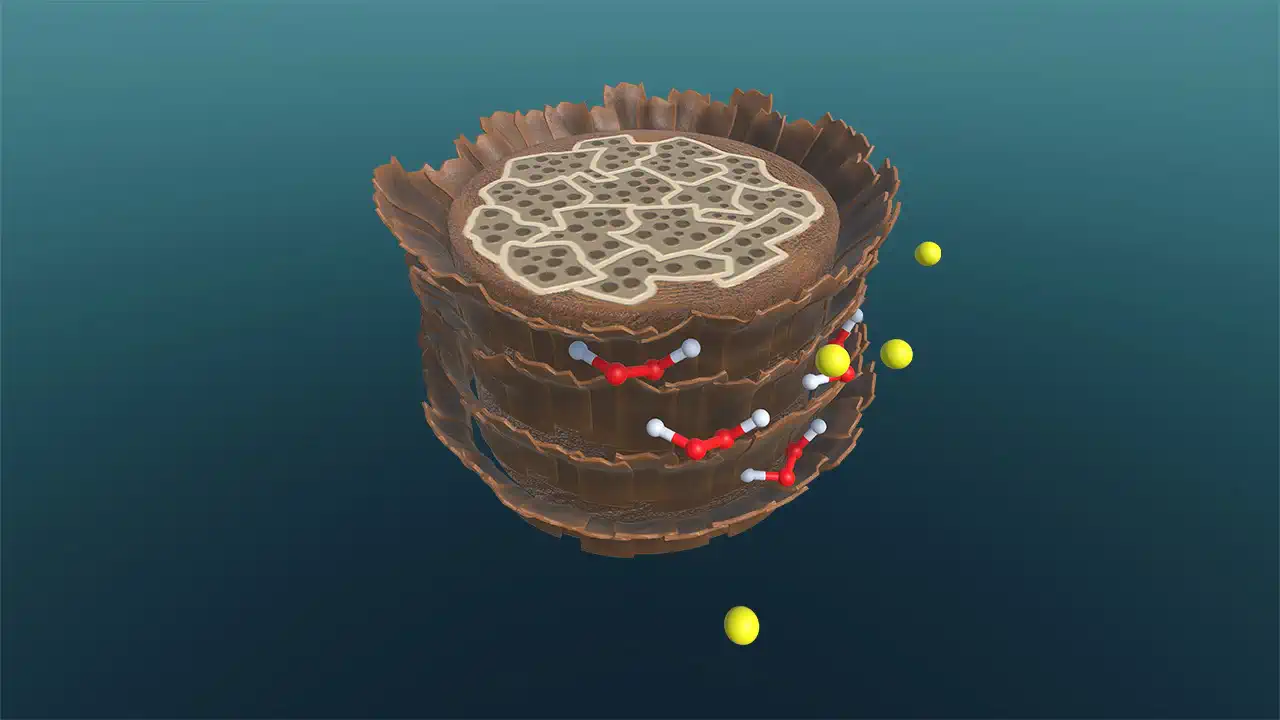
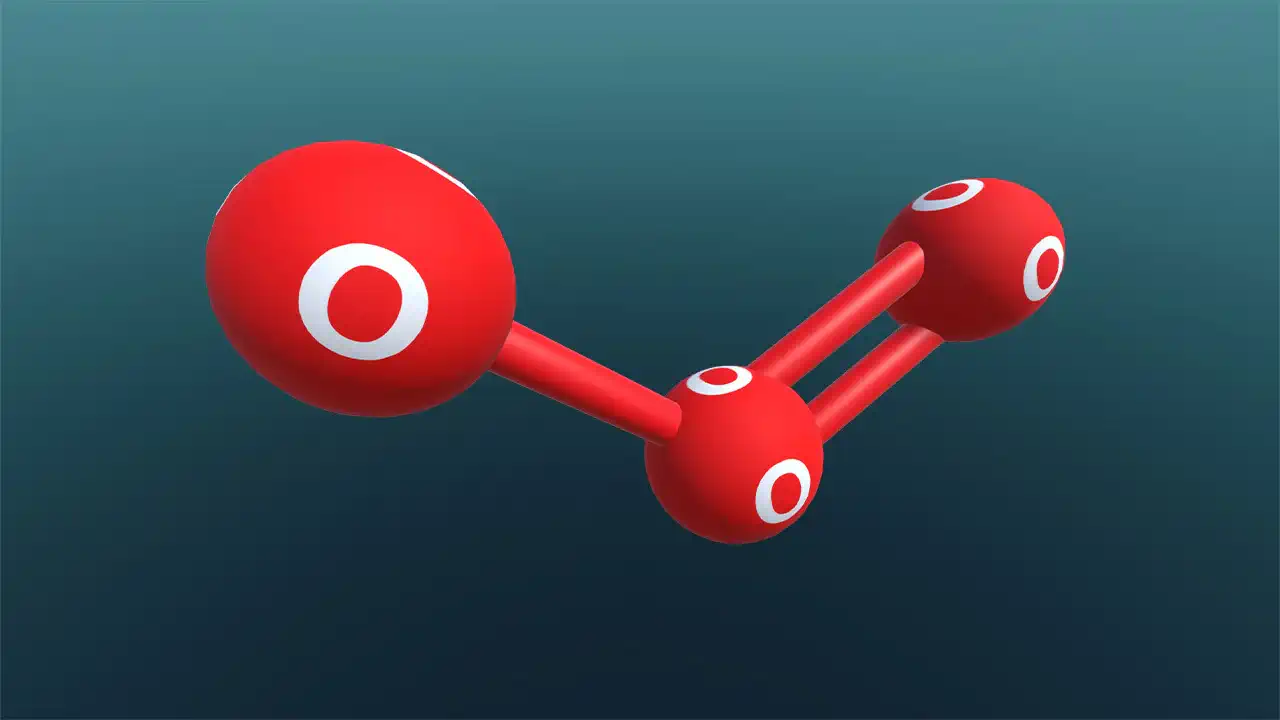
Ozone
Ozone
Telepítsd és teszteld most az AR tanulás élményét!

Wypróbuj je już teraz i odkryj, jak niezwykłe możliwości oferują nasze książki wzbogacone o treści w rozszerzonej rzeczywistości. Pobierz aplikację AR Books Library z odpowiedniego sklepu, a następnie uruchom bezpłatną publikację próbną.
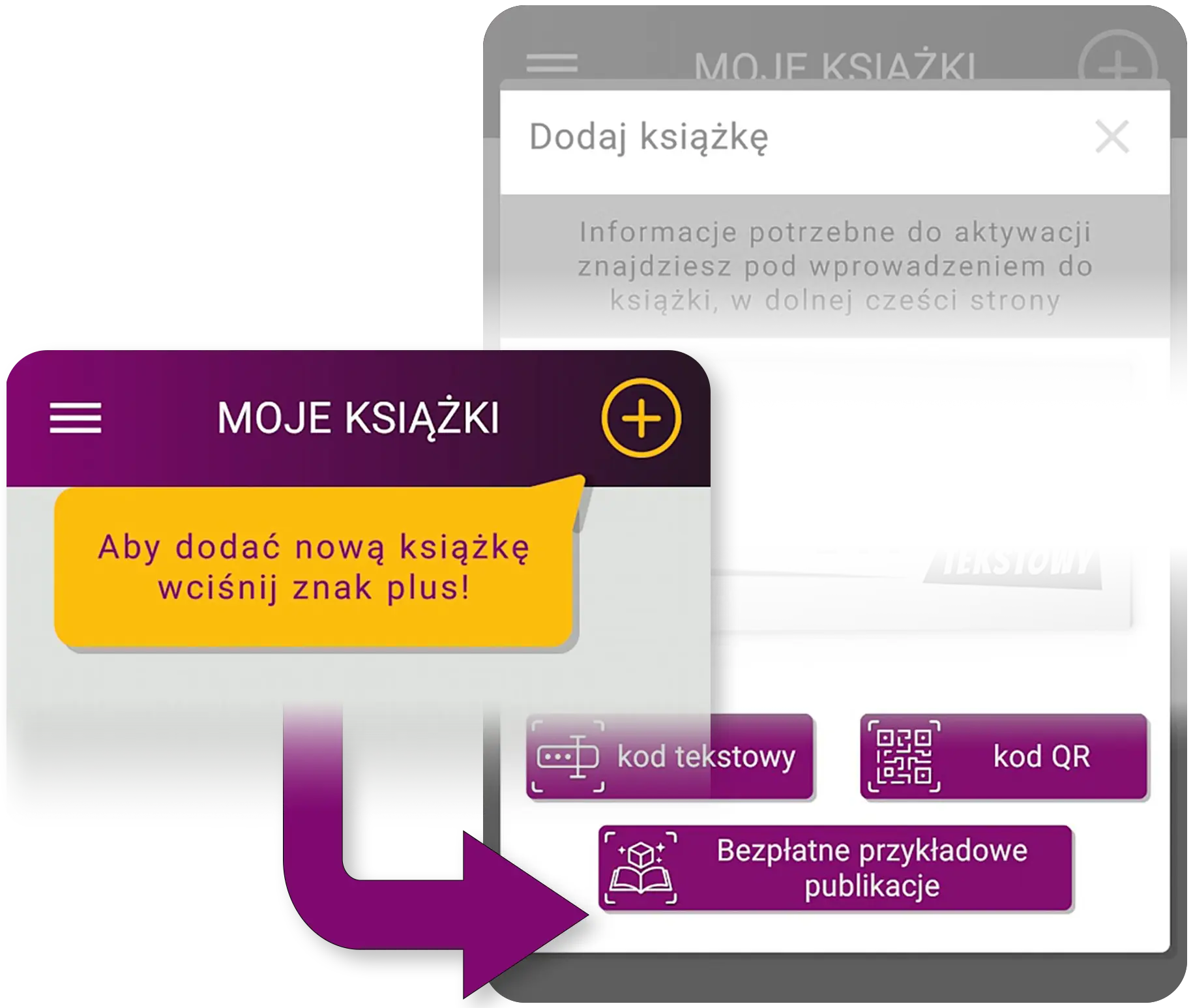
Szczegółowa instrukcja

Kroki instalacji aplikacji oraz szczegóły dotyczące bezpłatnego przetestowania można zobaczyć na poniższych grafikach.

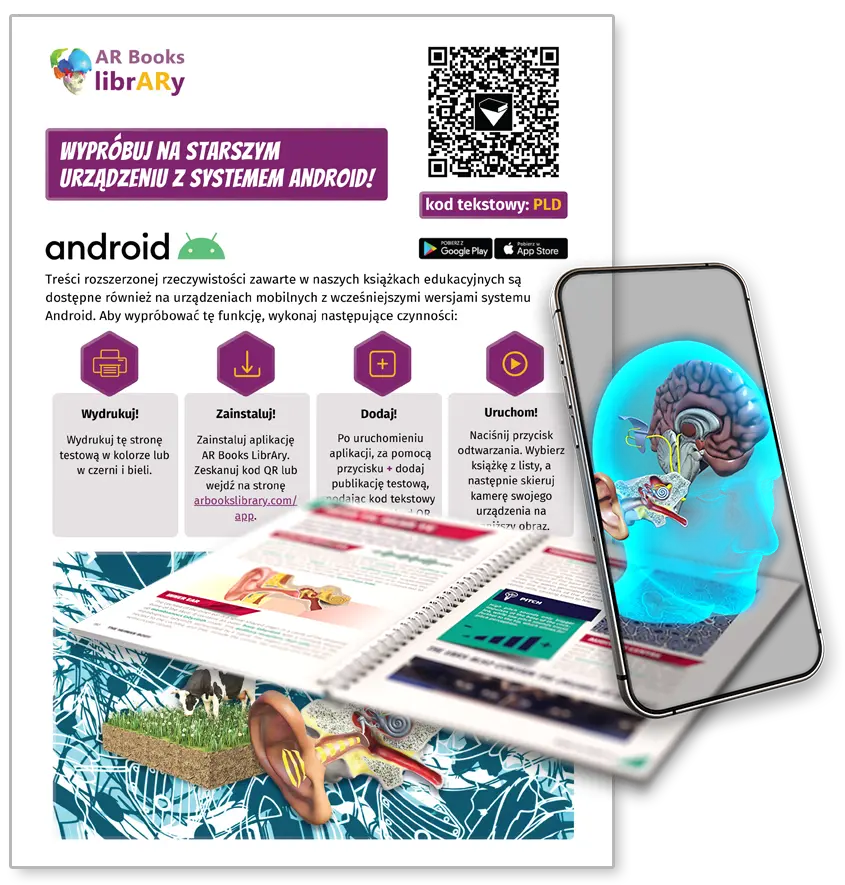
Niektóre starsze urządzenia z systemem Android mogą wyświetlać treści AR wyłącznie po rozpoznaniu wydrukowanego obrazu. W takim przypadku należy wydrukować poniższy plik PDF, a następnie postępować zgodnie z instrukcjami, aby uruchomić wersję próbną.
ISBN 978-615-81881-7-3

Zalecany wiek: 12+

Język: Angielski

Ilość stron: 86 strona

Rozmiar: B5

Jakość: Druk 4+4 kolory, oprawa spiralna, arkusz wewnętrzny: papier offsetowy 120 g; okładka: karton GC1 255 g, powlekana matowa B1 i B4

Liczba elementów AR: 40 sztuk hologram 3D

Urządzenie: telefon komurkowy lub tablet

System operacyjny:

  • iOS: Urządzenia z systemem iOS 16, iPadOS 16 lub nowszym.
  • Android: Co najmniej urządzenie z Androidem 10 lub nowszym, z 64-bitowym procesorem i systemem operacyjnym. Niektóre funkcje wymagają urządzenia obsługującego ARCore.

Wymagana przestrzeń dyskowa urządzenia: 500 MB

Internetowe: Do pobrania aplikacji oraz treści i do aktualizacji wymagane jest połączenie internetowe (zalecane połączenie WIFI). Po pobraniu, treść jest dostępna również w trybie offline.

Dla kogo przeznaczona jest nasza książka o chemii po angielsku?

Ta książka może stanowić nieocenioną pomoc dla tych, którzy uczą się lub nauczają chemii po angielsku. Trójwymiarowe hologramy mogą uatrakcyjnić naukę w domu lub pracę na zajęciach. Prezentowane w filmach zjawiska i eksperymenty chemiczne są objaśniane przez native speakera.

Everyday Chemistry

  • Everyday Chemistry
    69,99 zł

    + 14,99 zł dostawa

Darmowa dostawa przy zamówieniu 4 lub więcej książek.